Introduction to Thai Mango Sweet Sticky Rice
What is Thai Mango Sweet Sticky Rice?
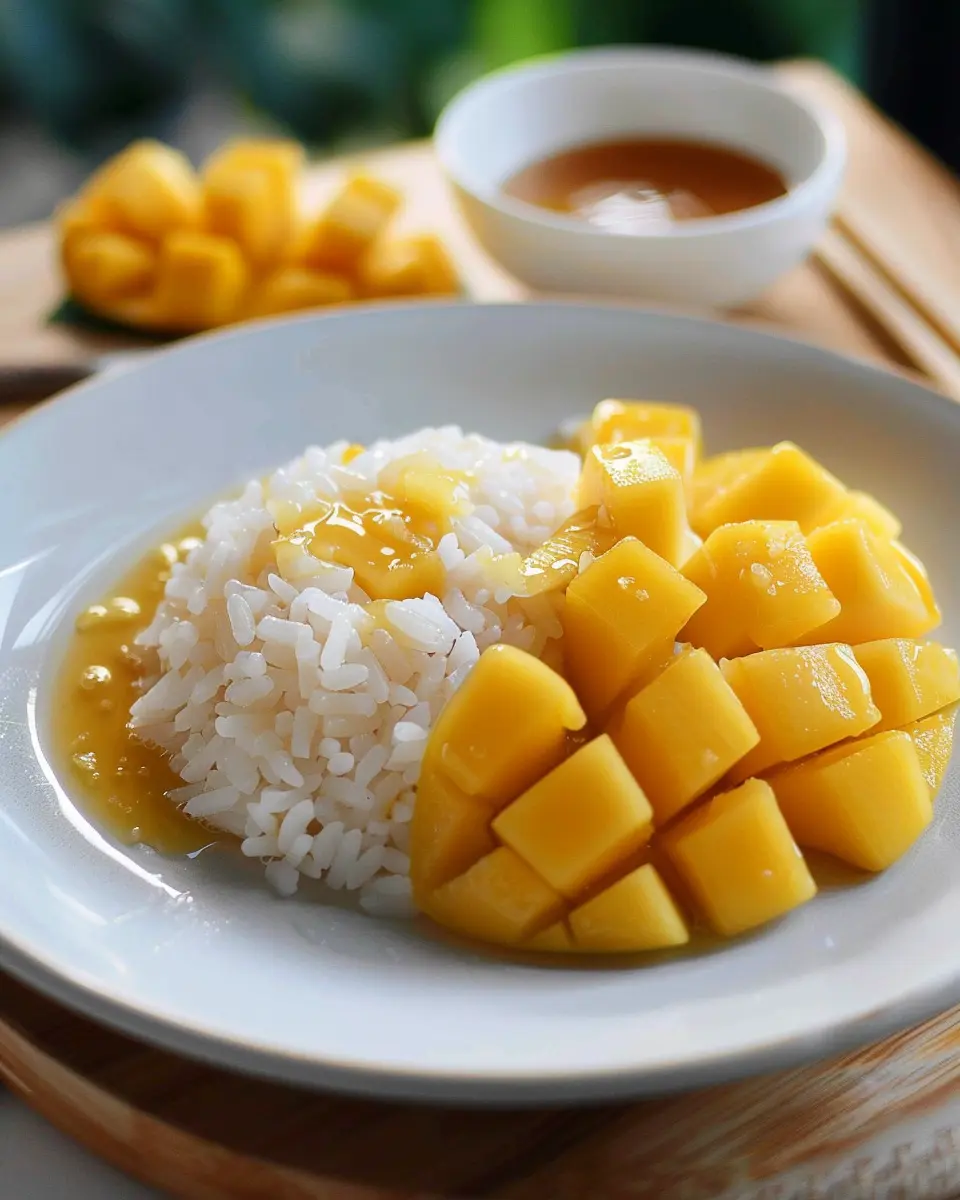
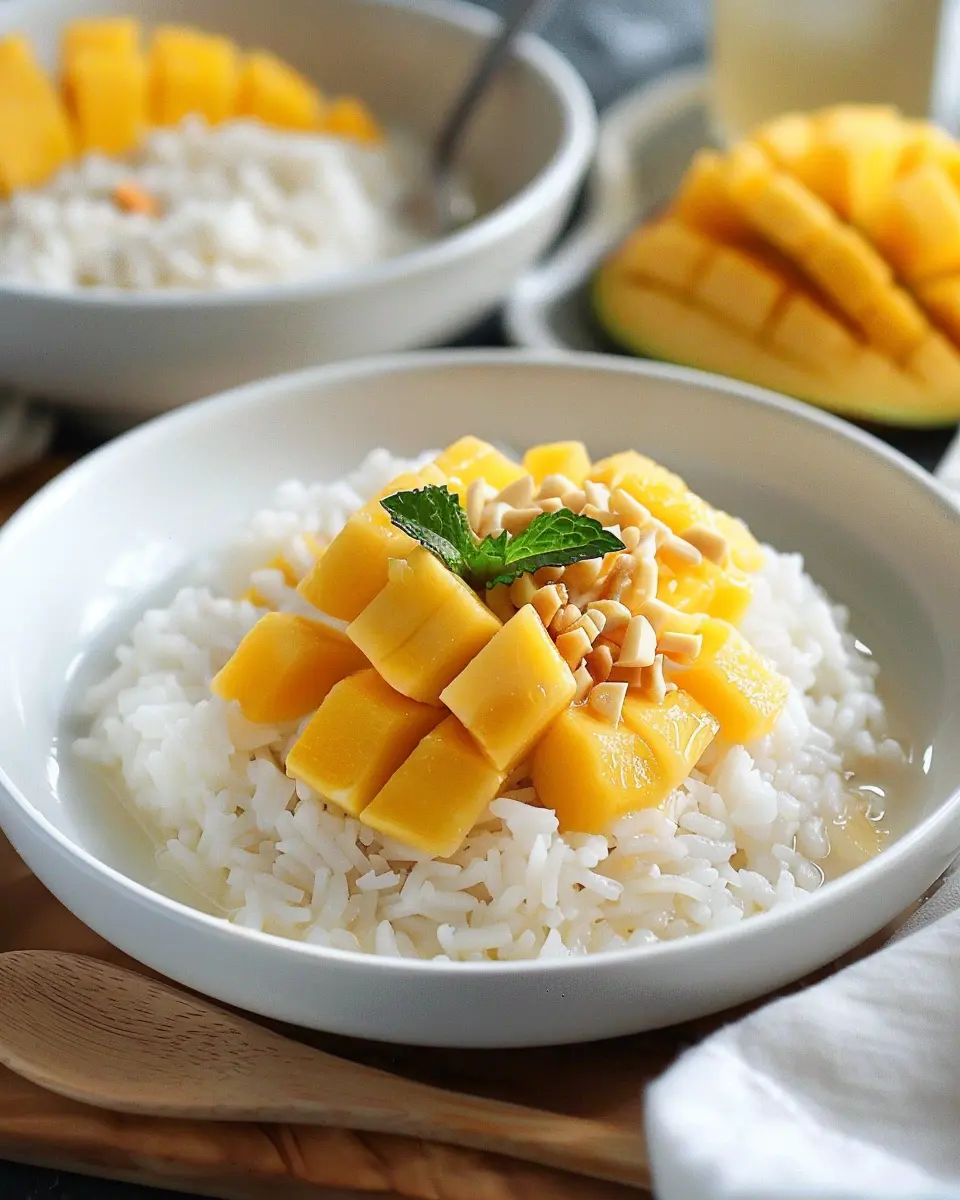
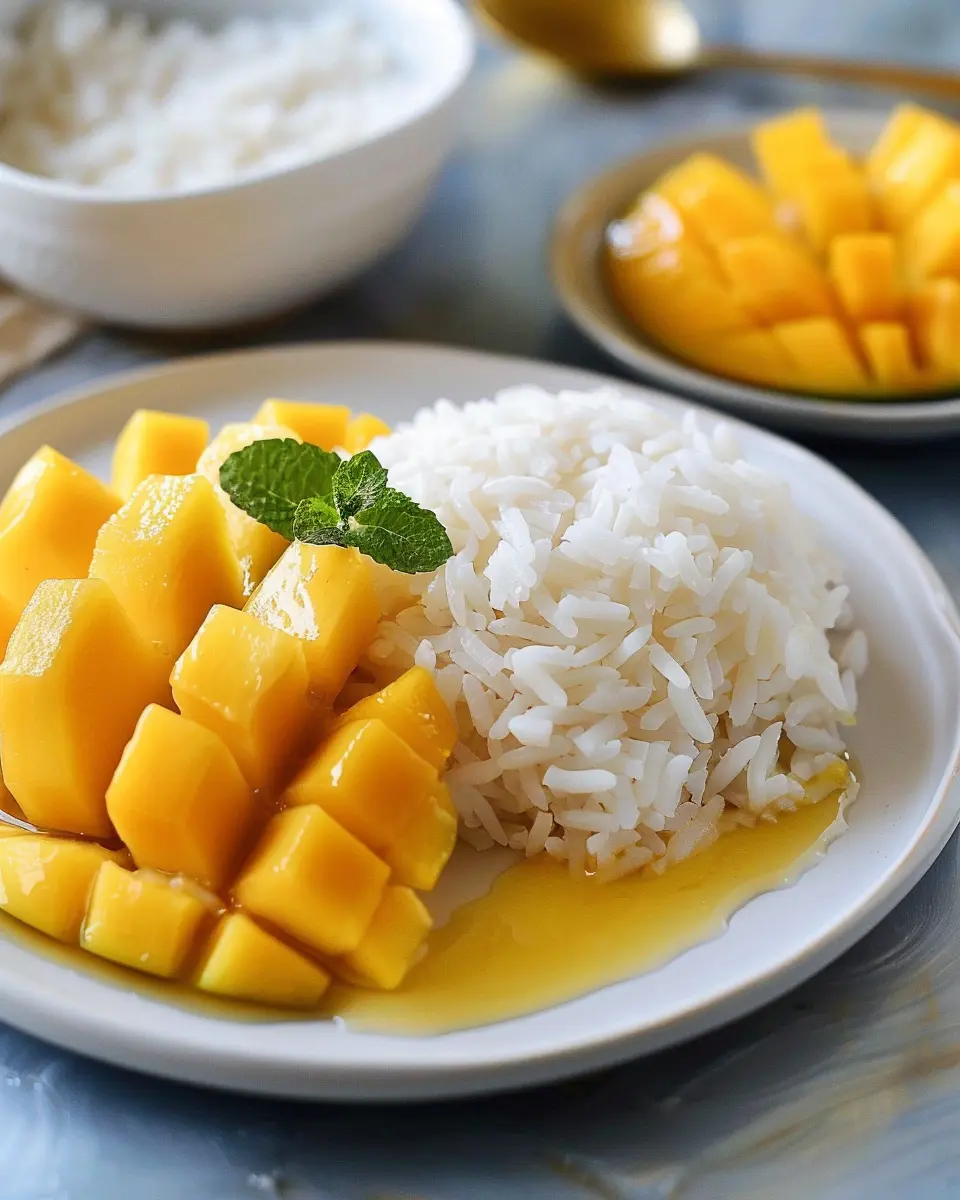
Thai Mango Sweet Sticky Rice, or Khao Niew Mamuang, is a beloved dessert that combines the natural sweetness of ripe mangoes with the rich, creamy texture of sticky rice, all drizzled with a hint of coconut sauce. The dish often features two main components: glutinous rice, which is soaked, steamed, and mixed with a luscious coconut milk sauce, and perfectly ripened mango, which adds a refreshing balance to the sweetness. The delightful presentation, often garnished with a sprinkle of sesame seeds or mung beans, makes it a feast for both the eyes and the palate.
But what really sets this dish apart is its unique flavor combination and texture. The slight chewiness of the sticky rice paired with the soft, juicy mango creates a mouthful that is simply irresistible. It’s no wonder that many consider Thai mango sweet sticky rice a comfort food that evokes feelings of nostalgia and happiness.
Why is it a Favorite Dessert in Southeast Asia?
Thai Mango Sweet Sticky Rice has secured its spot as a favorite across Southeast Asia for several compelling reasons. First off, it’s incredibly simple yet satisfying. Whether it’s served at street carts, upscale restaurants, or home kitchens, this dish captures the heart of Southeast Asian cuisine—fresh, vibrant ingredients coming together in perfect harmony.
Moreover, mangoes are in season during the hot months in many Southeast Asian countries, making this dessert not just a treat, but also a seasonal celebration of nature’s bounty. The tropical flavors are both refreshing and indulgent, providing a cool escape from the heat.
Finally, the cultural significance of Khao Niew Mamuang cannot be overlooked. It often marks special moments, be it birthdays, festivals, or family gatherings. Sharing this beloved dessert helps strengthen community ties and fosters a sense of belonging. If you’d like to dive deeper into the cultural nuances of this delightful dish, check out The Culture Trip for more insights.
So, whether you’re a seasoned foodie or just a curious taste explorer, Thai mango sweet sticky rice is a dessert you don’t want to miss!
Ingredients for Thai Mango Sweet Sticky Rice
Preparing Thai mango sweet sticky rice is a delightful culinary adventure that showcases the vibrant flavors of Thailand. To ensure your dish turns out perfectly, gather these essential ingredients!
Essential ingredients
- Glutinous rice: Known for its sticky texture, this is the heart of your dish.
- Fresh mangoes: Opt for ripe, sweet varieties like Nam Dok Mai or Ataulfo for an authentic taste.
- Coconut milk: This adds that creamy richness, which is a hallmark of Thai desserts.
- Sugar: Regular granulated or palm sugar works well for sweetening the coconut milk.
- Salt: Just a pinch enhances the overall flavor.
Optional ingredients for enhancements
- Sesame seeds or mung beans: Sprinkling these on top not only adds texture but also a nutty flavor.
- Coconut flakes: For an extra layer of coconut flavor, lightly toasted flakes can be a delightful addition.
- Pandan leaf: If you have access to this fragrant leaf, infuse it into the coconut milk for an aromatic touch.
Ready to dive deeper into this delicious dessert? Get started with the recipe and enjoy a taste of Thailand right at home! For more insights into Thai cuisine, you can check Thai Food & Recipes.
Preparing Thai Mango Sweet Sticky Rice
A delightful treat that perfectly balances sweetness and creaminess, Thai mango sweet sticky rice is a classic dessert that’s beloved both in Thailand and around the globe. If you’re ready to embark on making this delicious dish at home, let’s break down the process into easy-to-follow steps.
Soak the glutinous rice
The first step in your Thai mango sweet sticky rice adventure is to soak the glutinous rice. This is essential for achieving that perfect stickiness that makes this dessert so heavenly.
- Choose your rice: You’ll need about 1 cup of glutinous rice, often referred to as sticky rice or sweet rice. Make sure it’s the glutinous variety – it’s vital for the texture!
- Soaking time: Place the rice in a bowl and cover it with water. Let it soak for at least 4 hours, or ideally overnight. Soaking not only softens the rice, but it also helps it cook evenly. If you’re short on time, aim for at least 30 minutes – any soaking time is better than none
.
Steam the sticky rice
Once your rice is soaked, it’s time to unleash its potential by steaming it. Steaming gives the rice that beautifully chewy texture that pairs exceptionally well with the sweet coconut sauce.
- Prepare your steamer: Line your steamer basket with cheesecloth or a thin kitchen towel. This prevents the rice from falling through while allowing steam to circulate. If you don’t have a steamer, you can use a bamboo basket or a makeshift one with a pot and a heatproof dish.
- Cooking: Drain the rice and place it in the steamer. Steam for about 25-30 minutes, or until the grains are translucent and tender. It’s a good idea to check in and give the rice a gentle stir halfway through cooking to ensure even steaming.
Make the sweet coconut sauce
While your rice is steaming, you can whip up the delicious coconut sauce that makes this dessert sing.
- Ingredients: In a saucepan, combine 1 cup of coconut milk, 1/4 cup of sugar, and a pinch of salt. Heat over low to medium heat, stirring until the sugar dissolves completely.
- Thickening it up: If you want a thicker sauce, you can mix 1 tablespoon of corn starch with a little cold water before adding it to the coconut mixture. This will give you that luscious creaminess that you’re aiming for.
- Look after your sauce! Keep it warm, but avoid bringing it to a boil, as you want to preserve the smooth texture and flavor of the coconut milk.
Combine rice and sauce
Now that you have both components ready, it’s time to combine them for the ultimate Thai mango sweet sticky rice experience.
- Mix it up: In a large bowl, take about two-thirds of the coconut sauce and mix it with the steamed sticky rice. Stir gently so the rice absorbs all that sweetness. Let it sit for about 10 minutes to help the flavors meld together.
- Serve the rest: Reserve the remaining coconut sauce for drizzling over the dish or for later – believe me, you’ll want some extra sauce to enhance each bite!
Serve with fresh mango
Finally, it’s time to plate your masterpiece! Prepare some ripe, juicy mangoes to accompany the sticky rice.
- Slice the mango: Carefully peel and slice the ripe mangoes into thin wedges.
- Assembly: On a plate, place a generous scoop of the sticky rice, artfully arrange the mango slices, and drizzle the remaining coconut sauce over the top.
Voilà! You’ve created a beautiful plate of Thai mango sweet sticky rice. You can also sprinkle some sesame seeds or mung beans on top for added texture. This dessert is not just about flavor; it’s about the experience of sharing it with friends and family. Enjoy!
Variations on Thai Mango Sweet Sticky Rice
Tropical Fruit Variations
While traditional Thai mango sweet sticky rice is a beloved classic, don’t hesitate to get creative! You can easily elevate this dessert by incorporating other tropical fruits. Consider trying:
- Coconut: Grate fresh coconut over the top for an extra layer of flavor.
- Pineapple: Use caramelized pineapple instead of mango for a sweet and tangy twist.
- Bananas: Sliced ripe bananas can add a lovely creaminess.
These variations not only maintain the delicious sweetness but also showcase the vibrant flavors of tropical fruits. Plus, mixing and matching can keep your dessert game exciting!
Vegan and Dairy-Free Alternatives
If you’re looking for a vegan or dairy-free option, you’re in luck! Thai mango sweet sticky rice can easily be adapted. Here’s how:
- Coconut Milk: Instead of regular milk, use coconut milk. It’s rich, creamy, and perfectly complements the sticky rice.
- Sweeteners: Replace any refined sugar with alternatives like agave syrup or maple syrup. They mix well and enhance the dish’s natural sweetness.
Making these simple swaps means you can whip up an incredible dessert that caters to dietary preferences without sacrificing flavor. You’ll impress friends and family alike with a dessert that appeals to everyone!
For more inspiring ideas, you might want to check healthline.com for vegan dessert recipes. And if you’re curious about tropical fruits, webmd.com has some fascinating insights.
With these variations, your Thai mango sweet sticky rice can transform into an even more delightful treat that everyone will love!
Cooking Tips and Notes for Thai Mango Sweet Sticky Rice
Tips for perfecting sticky rice
Achieving the ideal consistency for Thai mango sweet sticky rice starts with the right soaking time. Aim for at least 4-6 hours, or even overnight for the best results. The longer it soaks, the softer and stickier it becomes. For cooking, consider using a bamboo steamer; it permits even heat distribution and allows the rice to puff up perfectly. Just remember to line the steamer with cheesecloth for easy removal.
Also, don’t skip the addition of coconut milk after cooking. This rich liquid elevates the deliciousness of your dish, transforming it into a creamy treat that balances the natural sweetness of the ripe mango.
Storage tips and how to reheat
If you’ve made extra Thai mango sweet sticky rice, store it in an airtight container in the fridge for up to 3 days. When you’re ready to enjoy it again, simply reheat it gently using the microwave or steam it for a few minutes. You might want to drizzle a bit more coconut milk over it to restore its luscious texture!
With these tips, you’re well on your way to mastering this delightful Thai dessert. It’s not just a recipe; it’s an experience! For more insights, you can explore resources like Serious Eats for authentic Thai recipes. Happy cooking!
Serving Suggestions for Thai Mango Sweet Sticky Rice
Creative Plating Ideas
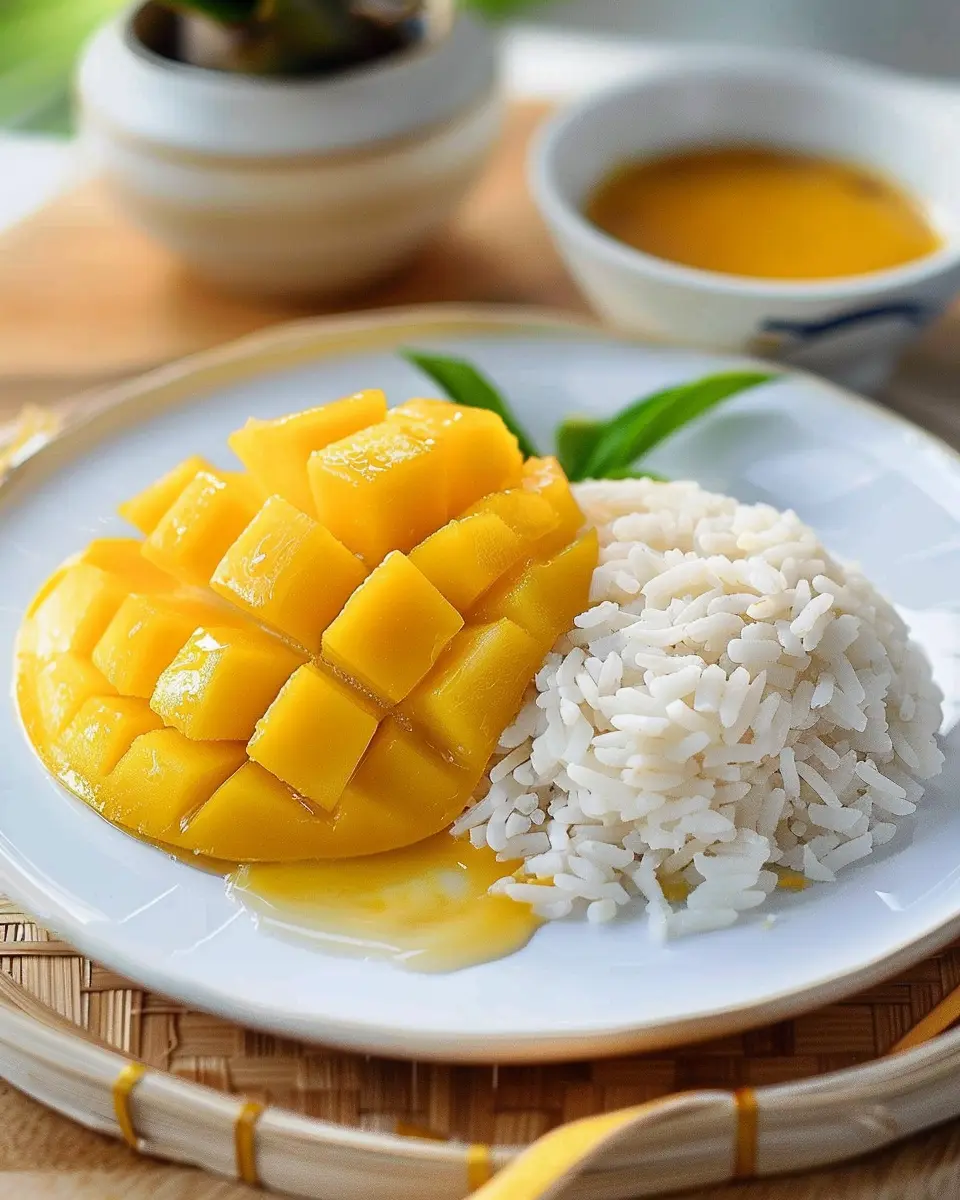
Elevate your Thai mango sweet sticky rice experience with stunning plating. Start by molding the sticky rice into small, neat cups, allowing you to showcase the vibrant mango slices on top. Drizzle a touch of coconut sauce for a glossy finish and add a sprinkle of sesame seeds or toasted coconut for texture. You can also layer the rice and mango for a beautiful, colorful dessert. Serving it in a banana leaf or on a wooden platter gives it a rustic feel that can impress your guests and add a touch of authenticity.
Perfect Beverage Pairings
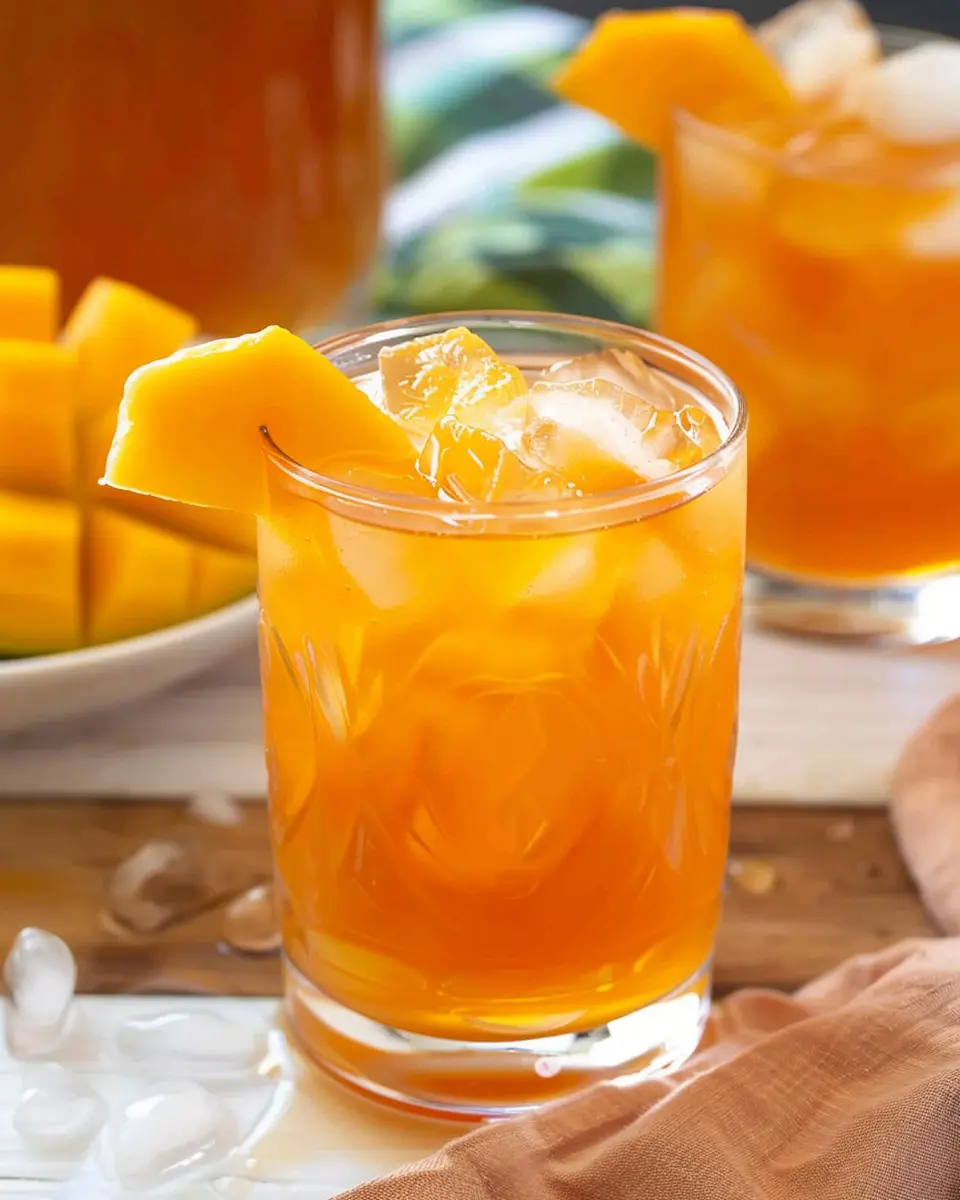
To complement your delightful Thai mango sweet sticky rice, consider refreshing beverages that enhance the tropical vibes. A chilled coconut water or a fragrant Thai iced tea can perfectly balance the sweetness of the dessert. For something more adventurous, try a mango smoothie; the additional fruitiness will harmonize beautifully. If you’re in the mood for something warm, a cup of green tea can provide a pleasant contrast, bringing out the flavors of the rice and mango.
For more tips on tropical pairings, check out NPR’s guide on fruit-based beverages.
Time Breakdown for Thai Mango Sweet Sticky Rice
Preparation Time
Getting everything ready for your delicious Thai mango sweet sticky rice will take about 30 minutes. This includes peeling the mangoes, soaking the sticky rice, and preparing the coconut sauce. Make sure to have all your ingredients organized! It’s a great opportunity to set the mood with some upbeat music while you work in the kitchen.
Cooking Time
Once all is prepped, the actual cooking will take around 20–25 minutes. You’ll be steaming the sticky rice and heating the coconut sauce. This part is where the magic happens, as that fragrant aroma begins to fill your kitchen.
Total Time
When you combine the preparation and cooking times, the total process will take about 50–55 minutes from start to finish. Perfect for a relaxing evening at home, making it a rewarding way to spend an hour with a delightful treat to enjoy afterward. For similar recipes that can be whipped up in under an hour, consider checking out Chef’s Table.
Ready to indulge in this sweet journey? Let’s get started!
Nutritional Facts for Thai Mango Sweet Sticky Rice
Calories
One serving of Thai mango sweet sticky rice contains around 330 calories. This dessert packs a satisfying punch, making it a delightful choice when you’re craving something rich yet comforting.
Sugar Content
With approximately 25 grams of sugar per serving, this treat leans toward the sweeter side. The natural sugars from the mango, combined with the sweetness of coconut milk, create a harmonious balance that many find irresistible.
Key Vitamins and Minerals
Thai mango sweet sticky rice isn’t just delicious; it’s also packed with essential nutrients. Each serving provides:
- Vitamin A: Important for vision and immune function, thanks to the mango.
- Vitamin C: Supports skin health and boosts your immune system.
- Potassium: Helps maintain healthy blood pressure levels.
For someone looking to enjoy their treats without the guilt, knowing that they’re getting some nutrients is always a bonus! Interested in a deeper dive into the nutritional benefits of mangoes? Check out this article from the USDA.
Next time you’re wondering about alternatives for dessert, remember that this delightful dish not only satisfies your sweet tooth but also provides nutritional benefits worth appreciating.
FAQs about Thai Mango Sweet Sticky Rice
How do I know when the rice is perfectly cooked?
Perfectly cooked glutinous rice is the secret to your Thai mango sweet sticky rice. You’ll know it’s ready when the grains are tender yet pleasantly chewy and have a slightly translucent appearance. Soaking the rice overnight will help ensure even cooking. When steaming, aim for about 30-40 minutes, checking occasionally for doneness. If you see a little bit of steam escaping but the rice feels firm yet flexible, you’re on the right track!
Can I substitute regular rice for glutinous rice?
While it’s tempting to use regular rice, substituting it for glutinous rice in your Thai mango sweet sticky rice won’t yield the same divine results. Glutinous rice has a high starch content, which gives the dessert its characteristic sticky texture. If you really can’t find glutinous rice, try using short-grain rice as a last resort, but keep your expectations in check.
What are some common mistakes when making this dish?
Making Thai mango sweet sticky rice is pretty straightforward, but here are a few pitfalls to avoid:
- Not soaking the rice: This is crucial for a tender texture.
- Overcooking the coconut sauce: It should be rich but not boiling; a gentle simmer is best.
- Ignoring the mango’s ripeness: Choose ripe, sweet mangos for that perfect balance of flavors.
By keeping these tips in mind, you’ll create an unforgettable dessert that impresses guests and satisfies your cravings.
For more on cooking techniques and rice, check out resources from The Culinary Institute of America or Serious Eats.
Conclusion on Thai Mango Sweet Sticky Rice
In conclusion, Thai Mango Sweet Sticky Rice is a delightful dessert that captures the essence of Thailand in every bite. The creamy coconut milk pairs perfectly with the sweet, ripe mango, creating a harmonious blend of flavors and textures. Whether you’re enjoying it as a treat after dinner or serving it at a gathering, this dish is sure to impress your guests. Plus, it’s straightforward to make at home, allowing you to explore the vibrant world of Thai cuisine. For more delicious recipes, consider checking out resources like Thai Food Online for authentic ingredients and inspiration. Indulge in this culinary experience, and share your culinary adventures with friends!
Print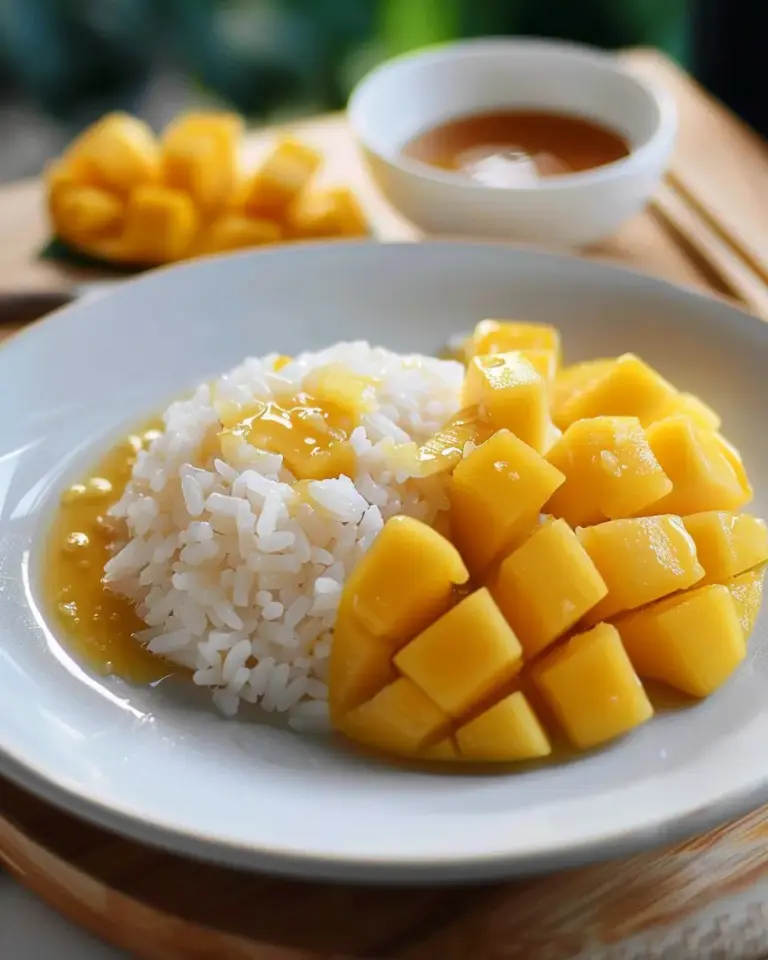
Thai Mango Sweet Sticky Rice: A Delightfully Easy Treat
A delicious and easy recipe for Thai Mango Sweet Sticky Rice that is perfect for any occasion.
- Total Time: 4 hours 40 minutes
- Yield: 4 servings 1x
Ingredients
- 1 cup sticky rice
- 1 cup coconut milk
- 1/2 cup sugar
- 1/4 teaspoon salt
- 2 ripe mangoes
Instructions
- Rinse the sticky rice under cold water until the water runs clear.
- Soak the rice in water for at least 4 hours or overnight.
- Steam the rice for about 30 minutes until cooked.
- In a saucepan, combine coconut milk, sugar, and salt and heat until the sugar dissolves.
- Once rice is cooked, mix with 3/4 of the coconut mixture.
- Slice the mangoes and arrange on a serving plate.
- Serve the sticky rice with the remaining coconut sauce drizzled on top.
Notes
- Try using fresh mangoes for the best flavor.
- Store the leftovers in an airtight container in the refrigerator.
- Prep Time: 10 minutes
- Cook Time: 30 minutes
- Category: Dessert
- Method: Steaming
- Cuisine: Thai
- Diet: Vegetarian
Nutrition
- Serving Size: 1 bowl
- Calories: 280
- Sugar: 15g
- Sodium: 5mg
- Fat: 10g
- Saturated Fat: 8g
- Unsaturated Fat: 2g
- Trans Fat: 0g
- Carbohydrates: 45g
- Fiber: 2g
- Protein: 4g
- Cholesterol: 0mg
Keywords: Thai Mango Sweet Sticky Rice