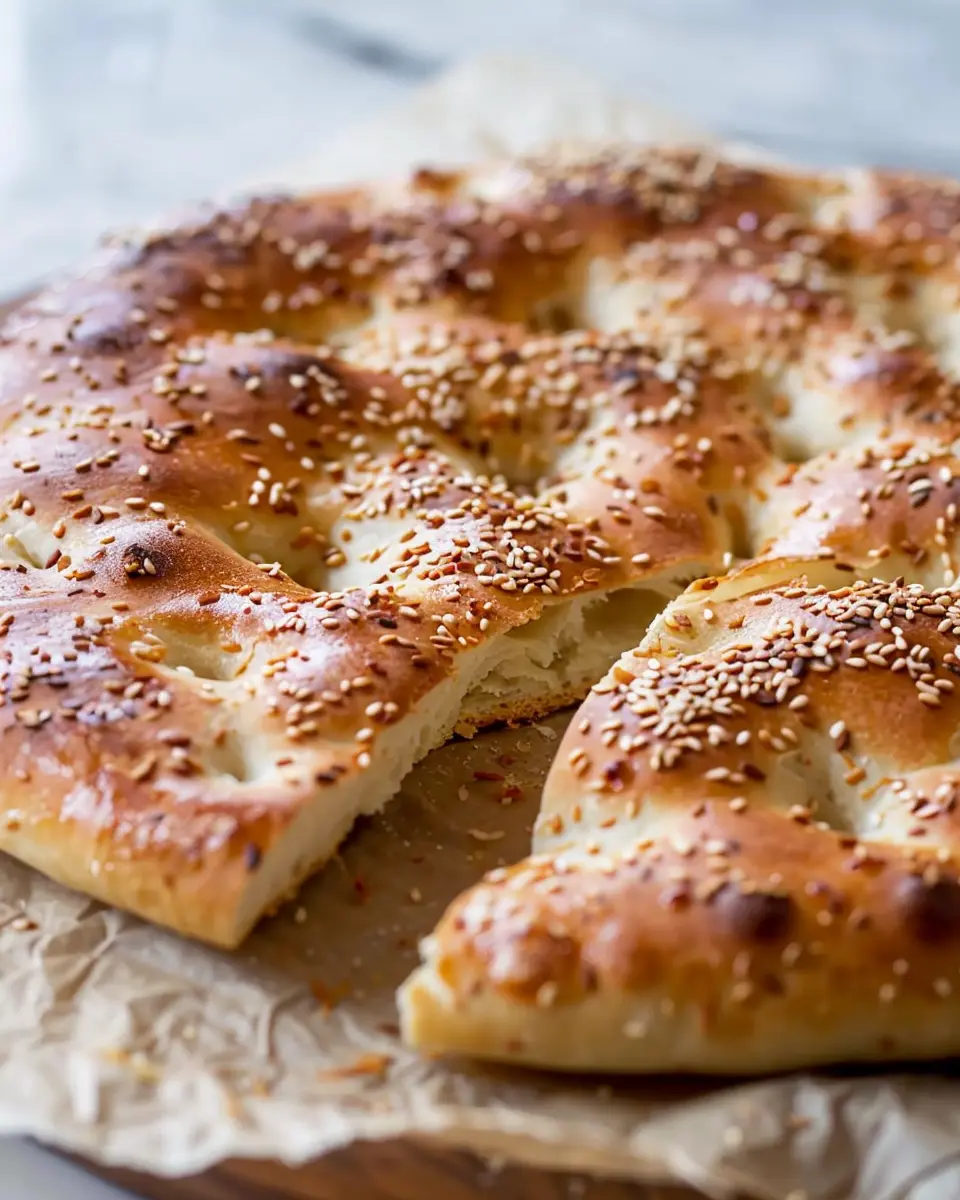
Introduction to No-Knead Turkish Bread
If you’ve ever been daunted by the prospect of baking bread from scratch, you’re not alone. For many busy professionals, finding the time and energy to bake can feel overwhelming. That’s where no-knead methods come into play, revolutionizing the way we approach homemade bread. One delightful example is the no-knead Turkish bread, which is as rewarding to make as it is to eat.
Why No-Knead Methods are a Game Changer for Busy Professionals
Imagine being able to whip up a beautiful, crusty loaf of bread without the strain of tedious kneading. Sounds enticing, right? No-knead recipes essentially allow your dough to develop flavor and texture through longer fermentation times rather than vigorous kneading. This method yields amazing results with minimal active effort, perfect for those juggling a tight work schedule.
-
Simple Ingredients: You’ll likely have most of the ingredients at home already, such as flour, water, yeast, and salt. This makes it accessible even for those late-night cravings.
-
Minimal Commitment: A no-knead Turkish bread can rise while you’re cooking dinner or catching up on your favorite TV show. It’s a great way to multitask without dropping the ball on quality.
-
Convenient Timing: Because you can refrigerate the dough, it fits seamlessly into your day. You can let it rise overnight or for a few hours—whatever suits your schedule best.
If you’re curious about the science behind this method, various culinary sources like Serious Eats delve deep into the chemistry of no-knead bread. Or check out King Arthur Baking for some expert tips on maximizing your dough’s flavor.
What’s more enticing than the aroma of freshly baked no-knead Turkish bread wafting through your home? Not only does it serve as the perfect side to your meals, but it’s also an excellent way to impress friends at gatherings! So, gear up to elevate your baking game, and let’s dive into this effortless yet delicious recipe that’s sure to become a staple in your kitchen.
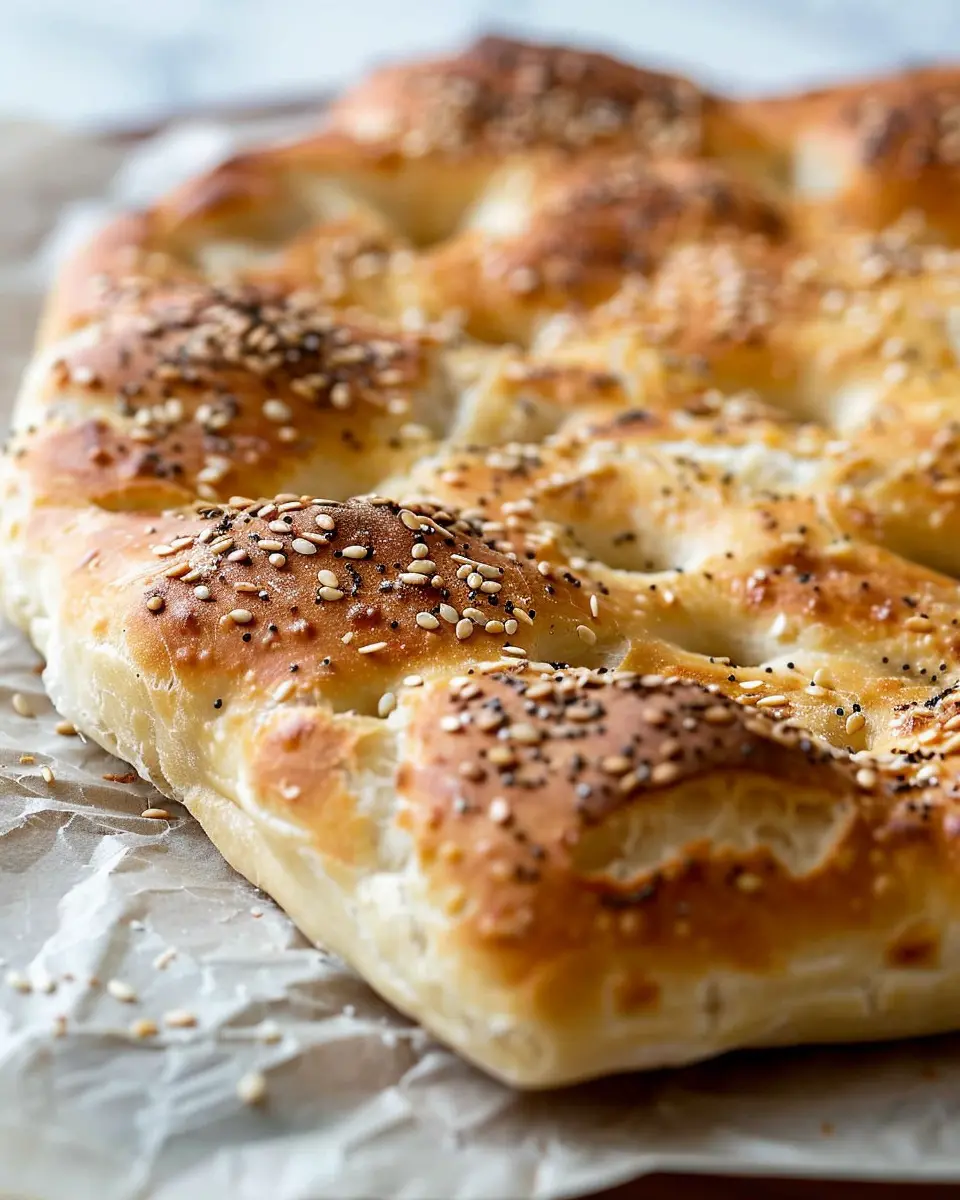
Ingredients for No-Knead Turkish Bread
Essential pantry staples for the perfect loaf
Creating a delicious no-knead Turkish bread requires just a few essential ingredients you likely already have in your kitchen. With minimal effort, you can whip up a beautiful loaf that’s perfect for any occasion. So, let’s gather what you need!
- All-purpose flour: About 4 cups is ideal. It gives the bread its structure and softness. You can also experiment with whole wheat flour for added nutrition.
- Water: Warm water (around 110°F) helps activate the yeast. You’ll need roughly 2 cups for the perfect dough consistency.
- Active dry yeast: A packet (about 2 teaspoons) is all you need to kickstart the fermentation process, resulting in that airy texture we all love.
- Salt: Two teaspoons enhance the flavor and strengthen the dough. Don’t skimp here; it’s essential!
- Olive oil: A tablespoon or two for richness and moisture in your bread.
- Optional spices: Like cumin or sesame seeds, can elevate the flavor profile.
For further insights into ingredient selection, check out King Arthur Baking Company and their detailed flour guide. Happy baking!
Preparing No-Knead Turkish Bread
Making no-knead Turkish bread at home is a wonderful journey that anyone (yes, even if you are a novice in the kitchen) can embark on. The best part? You don’t need a strong arm for kneading. Just a few simple ingredients and a sprinkle of patience, and you’ll be rewarded with beautifully crusty bread. Let’s walk through this delightful process together!
Gather Your Ingredients
To start, let’s get everything you need together. Here’s what you’ll want to have on hand:
- 3 cups all-purpose flour
- 1 teaspoon instant yeast
- 1 teaspoon salt
- 1 cup warm water (between 100°F to 110°F)
- Olive oil (for greasing)
- Optional toppings: sesame seeds, nigella seeds, or a sprinkle of za’atar for an authentic touch
These humble ingredients come together to create something truly special. Make sure to check your yeast’s expiration date—fresh yeast means a better rise.
Mix Dry Ingredients and Create a Yeast Well
In a large mixing bowl, combine your dry ingredients: flour, salt, and instant yeast. It’s essential to keep the salt and yeast separate initially, as salt can inhibit yeast activity. Once mixed, create a small well in the center of your dry mixture. This is where the magic of flavor begins!
Combine the Wet and Dry Ingredients
With your well ready, gradually pour in the warm water. Using a wooden spoon or your hand, mix until just combined. You’re not looking for a smooth dough—just a shaggy mass where everything is mostly mixed. It may look a bit messy, and that’s perfectly okay! Embrace the rustic charm of no-knead Turkish bread.
First Proofing – The Magic Happens!
Cover the bowl with a damp kitchen towel or plastic wrap and let your dough rest for about 12 to 18 hours at room temperature. This long, slow fermentation is where the flavor develops. Did you know that allowing your dough to rise slowly also improves its texture? Just imagine the lovely aroma wafting through your kitchen as it proofs overnight.
Shape the Bread and Prepare for the Final Rise
After your dough has risen and bubbly, it’s time to shape it. Lightly flour a clean surface and turn your dough out. With floured hands, gently fold the edges toward the center to form a round shape. Don’t worry if it’s not perfect; the beauty of no-knead Turkish bread is in its rusticity! Place it seam side down on a floured surface, cover with a towel again, and let it rise for another 1-2 hours.
Dentin and Glaze the Dough
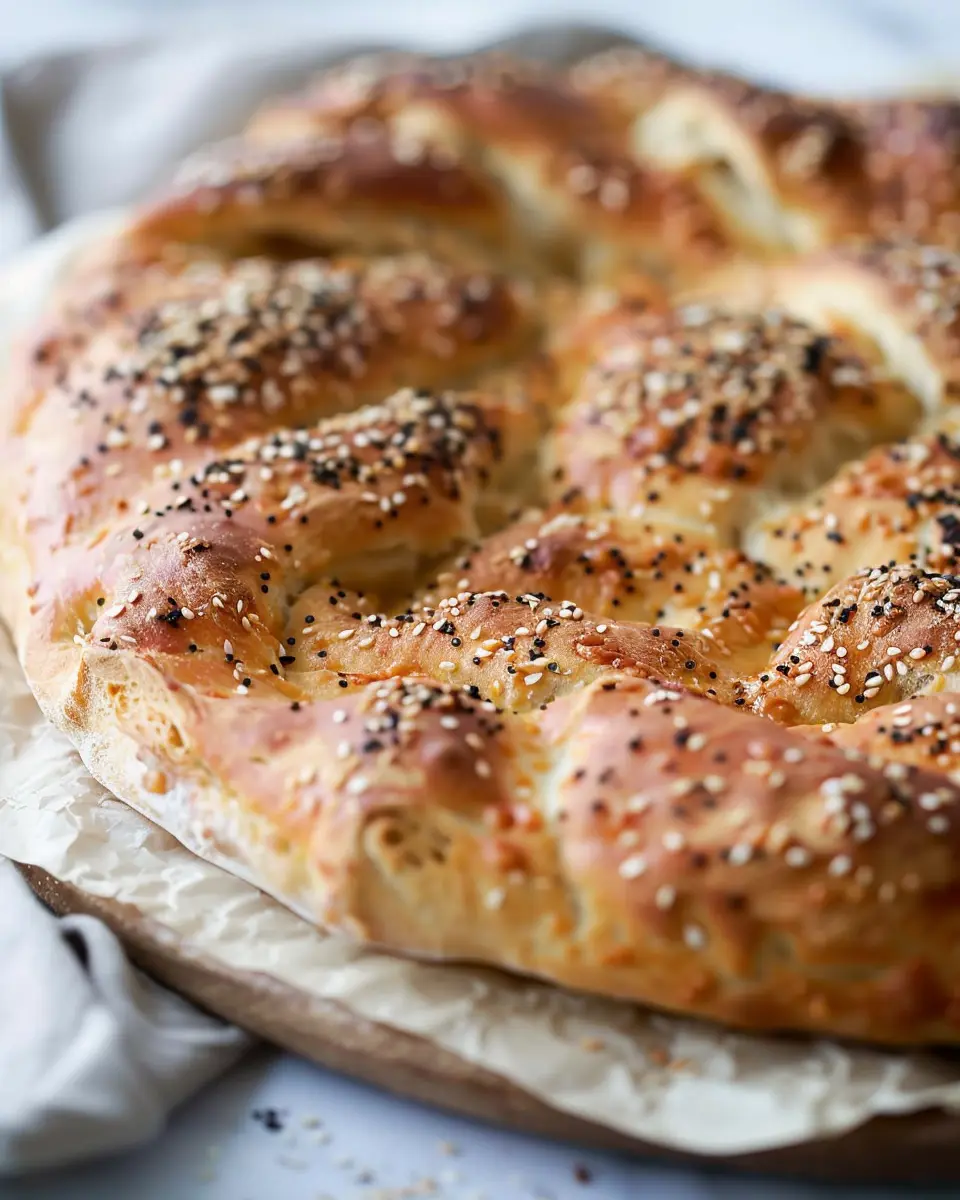
For that beautiful golden crust, it’s essential to create some texture on top of your loaf. Use a sharp knife to make a few shallow slashes across the top of your dough. This not only helps the bread expand during baking but also gives it that artisanal look we all love. For an extra touch, brush the top with a bit of olive oil and sprinkle your seeds of choice.
Baking Your Beautiful Bread to Perfection
Preheat your oven to 450°F (232°C) and place a Dutch oven (lid included) inside while it heats. Once preheated, carefully remove the pot, and place your dough inside. Cover it with the lid and bake for 30 minutes. After that, take the lid off and bake for an additional 15-20 minutes until the crust is deep golden brown.
Let your no-knead Turkish bread cool on a wire rack and then slice it open. The steam escaping will be an instant reward for your efforts. Now, what will you pair it with? Perhaps some olive oil and balsamic vinegar for dipping, or your favorite spreads. Happy baking!
For more tips on bread-making, check out resources from the King Arthur Baking Company for expert advice or Serious Eats for delightful recipes!
Variations on No-Knead Turkish Bread
Adding Herbs for Extra Flavor
One of the easiest ways to elevate your no-knead Turkish bread is by infusing it with aromatic herbs. Fresh or dried herbs like rosemary, thyme, or oregano add a delightful twist. Imagine tearing into a warm loaf that not only looks fantastic but smells earthy and inviting! For a simple variation, sprinkle a couple of tablespoons of your chosen herbs right into the dough when mixing the dry ingredients. This method is a great way to customize the flavor profile and cater to your taste preferences.
Also, consider trying a blend of herbs for a more complex flavor profile. A mix of dried basil and thyme or a sprinkle of za’atar can transport you straight to a cozy Turkish café while enjoying your homemade creation.
Looking for inspiration? Check out this guide on the best herbs for bread-making from The Spruce Eats.
Incorporating Cheese or Olives
Another delightful variation of no-knead Turkish bread involves incorporating cheese or olives directly into the dough. Think of a cheese-studded, pillowy loaf perfect for dipping into olive oil or pairing with your favorite toppings. Cheese varieties like feta or a sharp cheddar work beautifully, and a handful of pitted Kalamata olives can add just the right amount of brine and texture.
To achieve this, simply fold in your ingredients after the initial mixing. Try using about a cup of crumbled cheese or sliced olives to ensure a balanced distribution in your dough. The added ingredients not only boost flavors but also give your bread an authentic Mediterranean charm.
Feeling adventurous? Experimenting with different combinations can yield surprising and delightful results, so don’t hesitate to get creative!
Cooking Tips and Notes for No-Knead Turkish Bread
The importance of precise measurements
When making no-knead Turkish bread, precision is key. Use a kitchen scale to measure your ingredients, especially flour and water. A slight variation can impact the texture and rise of your bread. For instance, too much flour can make the dough dense, while too little can lead to an overly sticky mess. Check out these tips on why accurate measurements matter for perfect baking.
Best practices for using sesame seeds
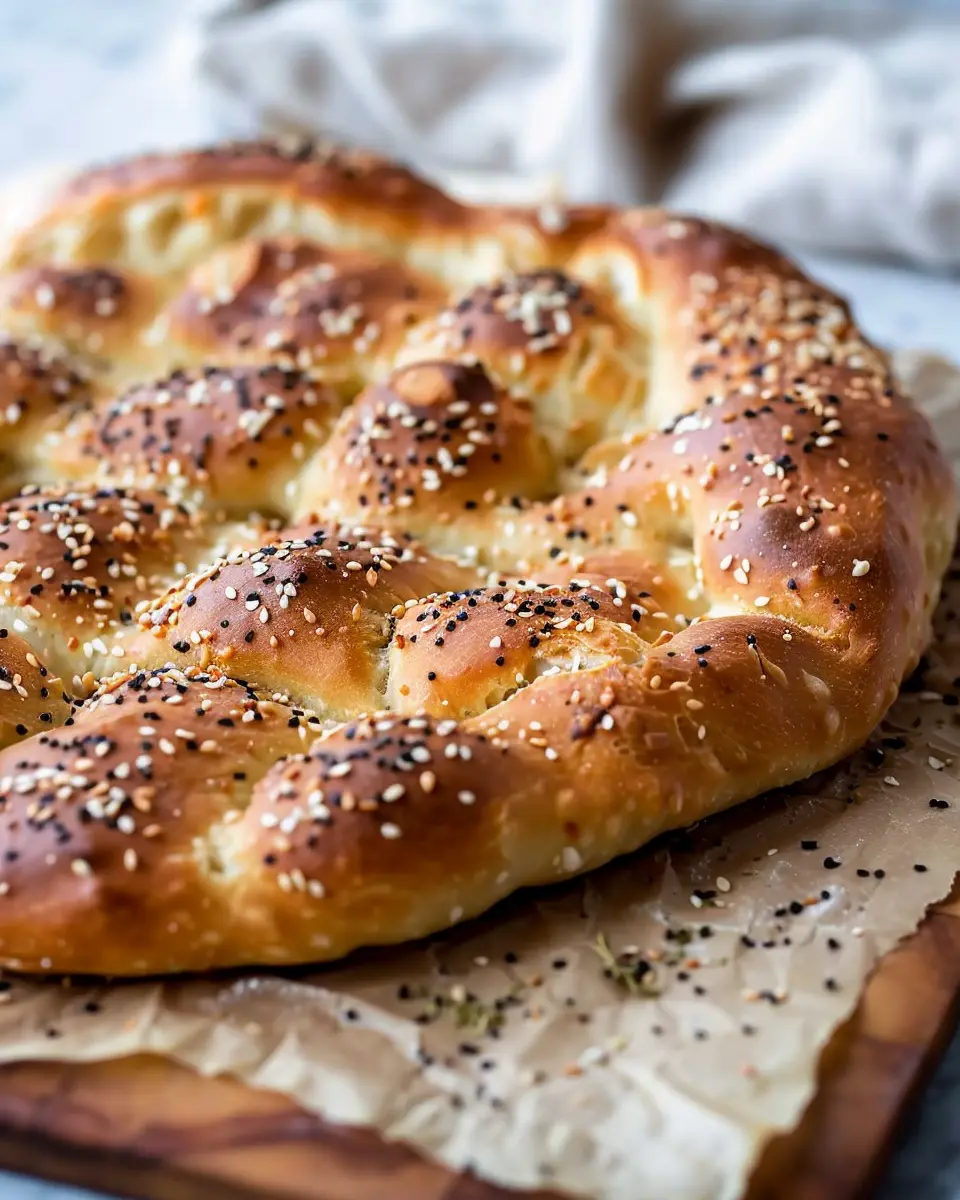
Sesame seeds add a delightful crunch and flavor to your no-knead Turkish bread. Always toast your sesame seeds lightly before sprinkling them on top; this enhances their nutty flavor. Consider mixing in some nigella seeds for an authentic touch. If you’re looking for a unique twist, try using multi-colored sesame seeds for visual appeal. These seeds aren’t just tasty; they also pack a nutritional punch! Want to explore more about sesame seed benefits? Check out this informative guide.
Happy baking!
Serving Suggestions for No-Knead Turkish Bread
Enjoying bread with dips and spreads
The delightful no-knead Turkish bread serves as a perfect canvas for various dips and spreads. Consider pairing it with:
- Hummus: This chickpea-based dip brings a creamy texture that contrasts beautifully with the bread’s crusty exterior.
- Labneh: A thick yogurt cheese, labneh can be drizzled with olive oil and herbs for an irresistible bite.
- Muhammara: This vibrant red pepper and walnut dip adds a rich, nutty flavor that complements the bread wonderfully.
These options not only enhance the flavor but also make for a diverse appetizer spread. Feel free to get creative—explore more dip recipes on platforms like BBC Good Food or Allrecipes.
Pairing with soups and salads
Nothing beats the combination of warm no-knead Turkish bread with hearty soups and fresh salads. Dip your bread into:
- Lentil soup: The earthiness of lentils matches perfectly with the chewy texture of the bread.
- Chickpea salad: Tossed with fresh veggies, this salad bursts with flavor and is a refreshing foil to the crusty bread.
Make your meals more fulfilling with these pairings, transforming everyday dining into something quite special. Are you ready to elevate your bread experience?
Time Breakdown for No-Knead Turkish Bread
When it comes to making the perfect no-knead Turkish bread, understanding the time commitment is key. Here’s why:
Preparation Time
Getting started is a breeze! You’ll need about 20 minutes to gather your ingredients and mix your dough. The beauty of this recipe is its simplicity, making it ideal for busy weeknights or leisurely weekends.
Rising Time
Patience is a virtue! Let your dough rise for approximately 12-18 hours at room temperature. This slow fermentation develops flavor, ensuring a delicious and airy bread. You could also pop it in the fridge for up to 24 hours if you’re tight on time.
Baking Time
Once your dough has risen, expect about 30-40 minutes in the oven. You want that crust to be perfectly golden, giving you that irresistible crunch.
Total Time
In total, you’re looking at around 13-19 hours for the process, with most of it being hands-off. Just think about it: a little prep, a long rise, and you’ll be rewarded with delicious homemade bread that will impress your friends and family.
For more detailed techniques, check reputable sources like King Arthur Baking and BBC Good Food to elevate your bread-making skills!
Nutritional Facts for No-Knead Turkish Bread
When it comes to cooking bread at home, understanding the nutritional profile can be just as crucial as the baking process itself. Let’s break down what you’re getting from a slice of no-knead Turkish bread:
Calories per serving
One serving of this delightful bread contains approximately 150 calories. This makes it a great addition to any meal without feeling too guilty. It’s perfect for enjoying alongside soups or stews, or even as a base for some delicious spreads.
Breakdown of macronutrients
- Carbohydrates: 30g
- Protein: 4g
- Fat: 1g
This simple yet tasty no-knead Turkish bread provides a nice balance of carbs for energy, along with a small amount of protein to help keep you full. It’s particularly beneficial for people looking to enjoy a wholesome diet (you can learn more about macronutrients here).
So next time you whip up a batch, remember how these stats can fit into your daily nutrition and enhance your meals! Don’t forget, you can always experiment with add-ins like herbs or seeds for an extra nutritional boost.
FAQs about No-Knead Turkish Bread
Can I use all-purpose flour instead of bread flour?
Absolutely! While bread flour has a higher protein content, which gives your no-knead Turkish bread that beautifully chewy texture, you can still achieve delightful results with all-purpose flour. Your loaf may be slightly softer, but it will still have a lovely flavor. If you find yourself wanting a denser bread, consider adding a tablespoon or two of vital wheat gluten to the mix. It’s a simple substitute that won’t compromise your baking adventure!
How do I know when my bread is fully baked?
The temptation to pull your no-knead Turkish bread out of the oven a bit early is real! You’ll want to look for a few key indicators:
- Color: A golden-brown crust is your best friend; it signals that the bread is developing flavor.
- Sound: Gently tap the bottom of the loaf; if it sounds hollow, it’s likely done.
- Temperature: An instant-read thermometer inserted into the center should register around 200°F to 210°F for perfectly baked bread.
When you combine these techniques, you’ll become a seasoned bread baker, ready to impress at your next dinner party!
What are the best ways to store leftover Turkish bread?
Storing your no-knead Turkish bread properly ensures that it stays fresh and delicious for days. Here are a few tips:
- Wrap it: Keep the bread in a paper bag for short-term storage to maintain the crust. If you want to store it longer, wrap it tightly in plastic wrap, then place it in a zip-top bag.
- Freeze it: Slice the bread before freezing; this makes it easy to grab a piece whenever you’re craving that warm, homemade goodness.
- Reheat: When you want to enjoy it again, simply pop it in a preheated oven for a few minutes to bring it back to life!
For more detailed tips on bread storage, check out resources from America’s Test Kitchen or King Arthur Baking. Happy baking!
Conclusion on No-Knead Turkish Bread
Embracing Homemade Bread in a Fast-Food World
In a world where convenience often trumps quality, making no-knead Turkish bread offers you a delightful escape into the art of homemade baking. It’s not just about the bread; it’s about the experience. Picture the warmth of freshly baked bread emerging from your oven, its golden crust crackling as you slice it.
Embracing this culinary journey lets you explore creativity in the kitchen, while also indulging in wholesome ingredients, free from preservatives often found in store-bought options. Plus, the joy of sharing warm bread with loved ones can’t be understated. For more inspiration, check out resources on homemade bread baking that can elevate your skills. It’s a small effort for a big reward!
Print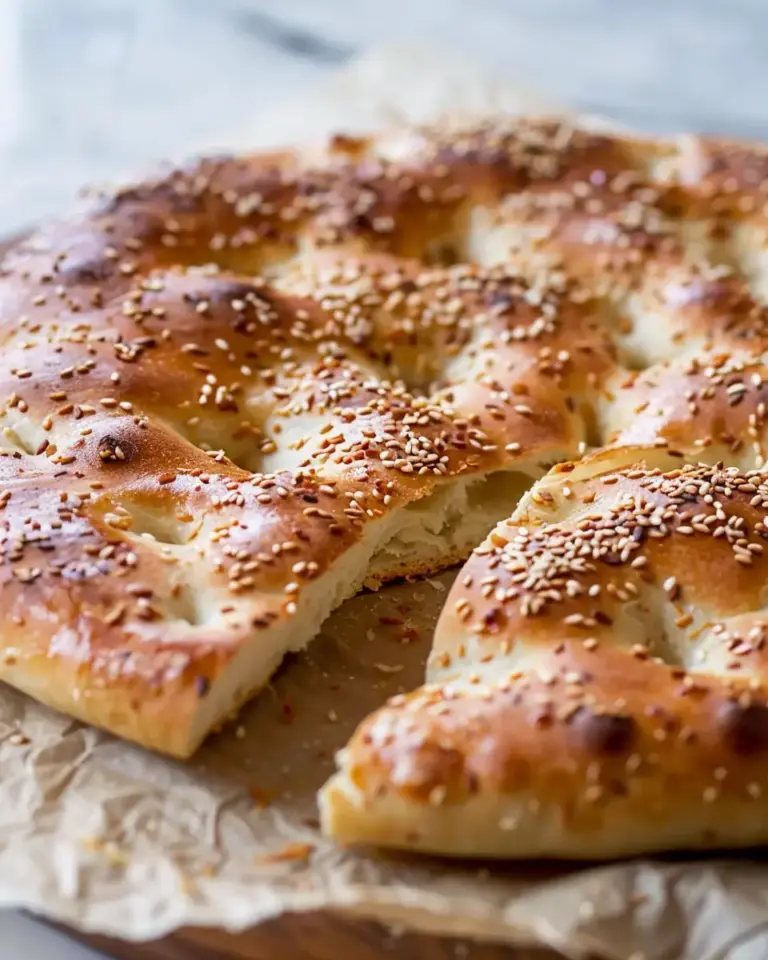
No-knead Turkish bread: Easy homemade delight for any meal
Discover the simplicity of making no-knead Turkish bread that elevates any meal.
- Total Time: 18 hours 50 minutes
- Yield: 1 loaf 1x
Ingredients
- 4 cups all-purpose flour
- 2 teaspoons salt
- 1/4 teaspoon instant yeast
- 1 1/2 cups warm water
- 1 tablespoon olive oil
Instructions
- In a large bowl, combine flour, salt, and yeast.
- Add warm water and mix until a shaggy dough forms.
- Cover the bowl with plastic wrap and let it rise for 12-18 hours.
- Once risen, preheat the oven to 450°F (230°C) with a Dutch oven inside.
- Carefully place the dough onto a floured surface and shape it into a ball.
- Transfer the dough to the hot Dutch oven, cover, and bake for 30 minutes.
- Remove the lid and bake for another 15 minutes until golden brown.
- Let it cool on a wire rack before slicing.
Notes
- For extra flavor, add herbs or spices to the dough.
- Using a hotter oven yields a crustier bread.
- Prep Time: 5 minutes
- Cook Time: 45 minutes
- Category: Bread
- Method: Baking
- Cuisine: Turkish
- Diet: Vegetarian
Nutrition
- Serving Size: 1 slice
- Calories: 150
- Sugar: 0g
- Sodium: 200mg
- Fat: 2g
- Saturated Fat: 0g
- Unsaturated Fat: 1g
- Trans Fat: 0g
- Carbohydrates: 30g
- Fiber: 1g
- Protein: 5g
- Cholesterol: 0mg
Keywords: no-knead Turkish bread, homemade bread, easy bread recipe