
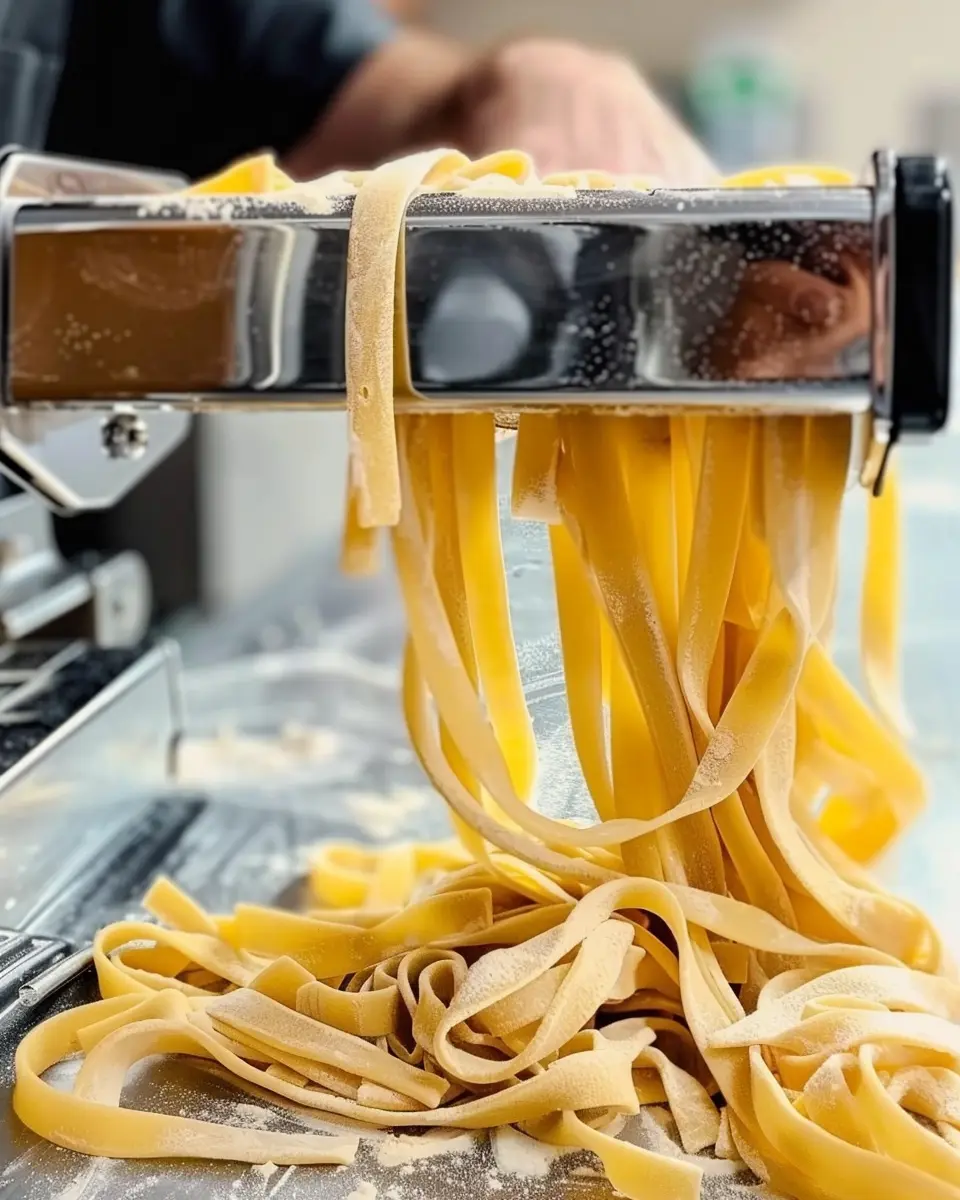
Introduction to Homemade Pasta
When life gets hectic, and your schedule is packed, finding time to whip up a delicious home-cooked meal can feel daunting. Enter homemade pasta — a culinary hero that can transform your weeknight dinners from basic to breathtaking in no time. With just a few simple ingredients, you can elevate any dish while impressing your friends and family.
Why Homemade Pasta is a Game-Changer for Busy Professionals
Imagine coming home after a long day, and the last thing you want to do is face a lengthy cooking process. With homemade pasta, you might be surprised at how quickly you can create something fresh and satisfying.
-
Speedy Preparation: Making pasta from scratch can take as little as 30 minutes. Mix flour and eggs, knead, roll, and cut — it’s a straightforward process that packs a flavorful punch.
-
Quality Control: Unlike store-bought options, you can control exactly what goes into your homemade pasta. This means no preservatives or artificial flavors — just pure, wholesome ingredients. Plus, you can tailor every batch to suit your dietary preferences. An excellent source for ingredient quality is the USDA’s food guidelines.
-
Creative Freedom: Whether you prefer traditional fettuccine or adventurous beet-infused pasta, homemade pasta gives you the freedom to experiment. Add flavors like spinach, squid ink, or even spices for a unique twist.
-
Affordability: While dining out can quickly add up, the ingredients for homemade pasta are relatively inexpensive, making it easier to enjoy gourmet meals on a budget. Flour, eggs, and a sprinkle of salt are all you need to get started!
-
Culinary Bonding: Making pasta can also be a great way to gather friends for a fun evening in the kitchen. Picture it: laughter, flour-covered surfaces, and the joy of creating something delicious together. You can check out sites like Culinary Institute of America for group cooking tips to enhance your experience.
Incorporating homemade pasta into your meal planning can be not just a time-saver, but a delightful culinary adventure. It’s a way to connect with food on a deeper level and bring fresh flavors to your table without the stress. Keep reading to discover the recipe that will let you become a pasta-making pro!
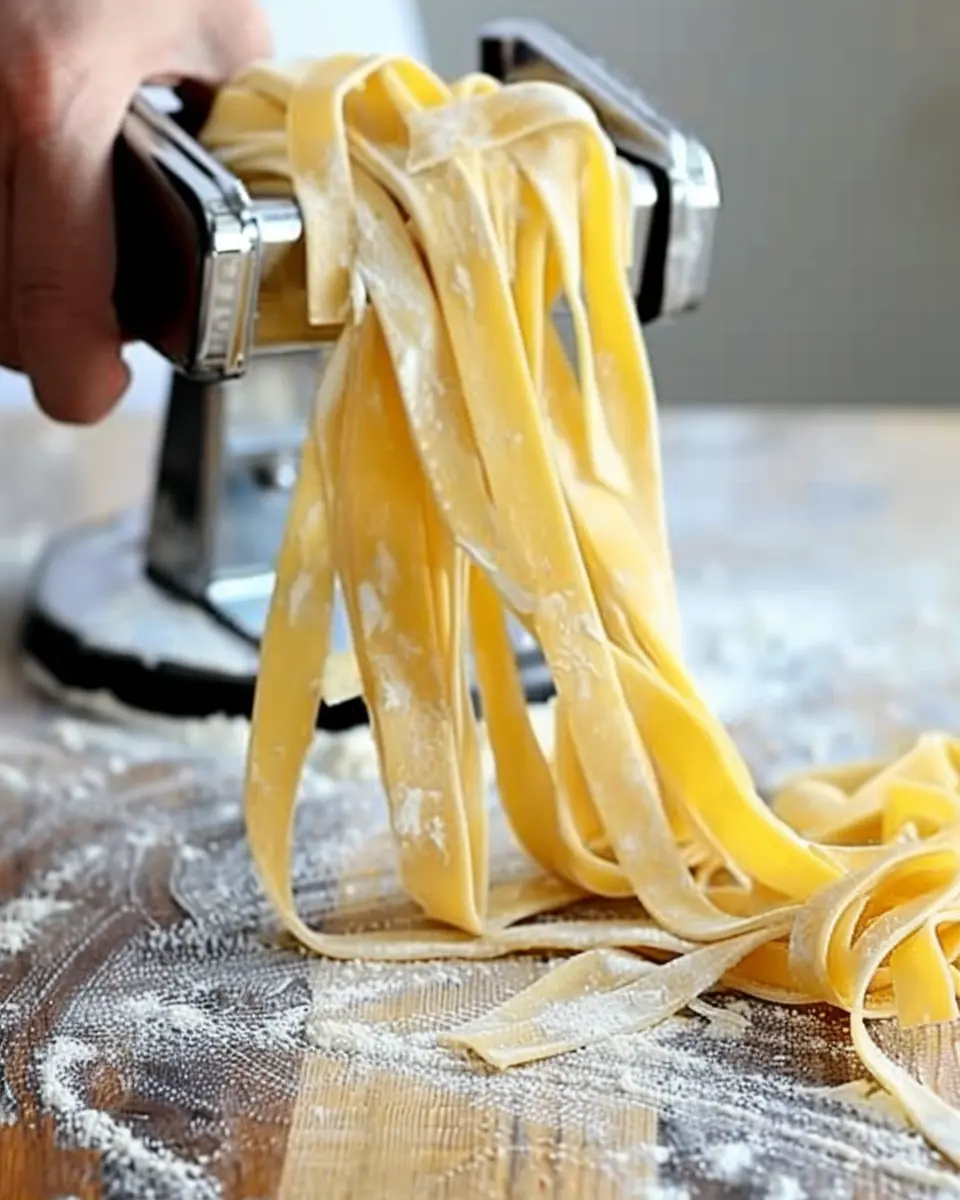
Ingredients for Homemade Pasta
Essential ingredients for perfect pasta dough
Creating homemade pasta requires just a few simple ingredients, yet the magic lies in their quality. Here’s what you’ll need:
- Flour: Choose all-purpose or “00” flour for that perfect texture. The finer the grind, the smoother your dough will be.
- Eggs: Large, fresh eggs are essential. They not only add flavor but also richness and color.
- Salt: A pinch of salt enhances the flavors and strengthens the dough.
- Water: Sometimes needed to adjust the dough’s consistency. Use cold water for best results.
These ingredients form the foundation of your pasta and are critical for achieving that desired al dente bite if you want to learn more about the science behind it, check this resource.
Optional ingredients to elevate your dish
While the essentials are key, consider these optional ingredients to take your homemade pasta to the next level:
- Olive Oil: Adds richness and makes for a more tender dough.
- Herbs: Incorporating fresh or dried herbs can impart unique flavors; think basil or parsley.
- Vegetable Purées: Incorporating purées like spinach or beetroot not only adds color but also nutrients.
Experimentation is part of the fun! Why not try blending different flours, or adding spices to standard dough? The possibilities are endless. Happy cooking!
Step-by-Step Preparation of Homemade Pasta
Making homemade pasta is a delightful culinary adventure that can elevate your meals from ordinary to extraordinary. Let’s walk through the process together, step by step, so you can impress your friends and family with your pasta-making prowess!
Gather Your Ingredients and Tools
Before you dive into the actual process, it’s essential to gather everything you’ll need. Here’s a quick checklist:
Ingredients:
- 2 cups of all-purpose flour (plus extra for dusting)
- 3 large eggs
- 1/2 teaspoon of salt
- A drizzle of olive oil (optional)
Tools:
- A clean working surface or a large mixing bowl
- A fork or a whisk
- A rolling pin or a pasta machine
- A sharp knife or pasta cutter
- A large pot for boiling water
- A slotted spoon or pasta strainer
Having everything prepared will make the process smoother and more enjoyable.
Make the Pasta Dough
Now comes the fun part! To create your homemade pasta dough, start by making a mound of flour on your clean surface (or in a bowl). Make a well in the center and crack the eggs into it. Add the salt and olive oil, if you’re using it.
Using a fork, gradually incorporate the flour into the egg mixture, pulling flour from the edges of the well until everything is combined. It should start looking a little shaggy—don’t worry; that’s a good sign!
Knead the Dough to Perfection
Once the mixture comes together, it’s time to knead. Turn the dough onto a lightly floured surface and use the heel of your hand to push the dough away from you. Then fold it back over itself and repeat. This process should take about 8-10 minutes.
Here’s a tip: The dough is ready when it feels smooth and elastic to the touch, bouncing back slightly when pressed. If you’re interested in the science of kneading, this article about dough textures might pique your interest.
Resting the Dough for Optimal Texture
After kneading, form your dough into a ball and wrap it tightly in plastic wrap. Let it rest for at least 30 minutes at room temperature. This resting period is crucial. It allows the gluten to relax, which will give you that perfect texture when rolling your pasta later. Perhaps enjoy a cup of coffee or prep your sauce during this time!
Roll and Cut Your Pasta
With your rested dough, it’s time to roll it out into thin sheets. If you’re using a rolling pin, divide the dough into quarters and work with one piece at a time, keeping the others covered to prevent drying out. Aim for a thickness of about 1/16 inch.
If you’re using a pasta machine, simply feed the dough through the rollers, adjusting the settings for thinner sheets as you go. Once you have your sheets, cut them into your desired shapes—fettuccine, tagliatelle, or even lasagna sheets!
Cook the Fresh Pasta to Al Dente
Finally, it’s time to cook your homemade pasta. Bring a large pot of salted water to a rolling boil. Fresh pasta cooks quickly, usually in about 2-4 minutes. You’ll know it’s ready when it’s tender but still has a slight bite—perfectly al dente.
Once cooked, use a slotted spoon to transfer your pasta directly to your sauce or serve it in a bowl with a drizzle of olive oil.
Pasta is a canvas for countless sauces, so consider pairing your fresh pasta with some delicious recipes like a creamy Carbonara with Turkey Bacon or a light marinara sauce with veggies.
Now that you’ve mastered the art of making homemade pasta, you’re all set to impress! Enjoy your delicious creation and remember, practice makes perfect!
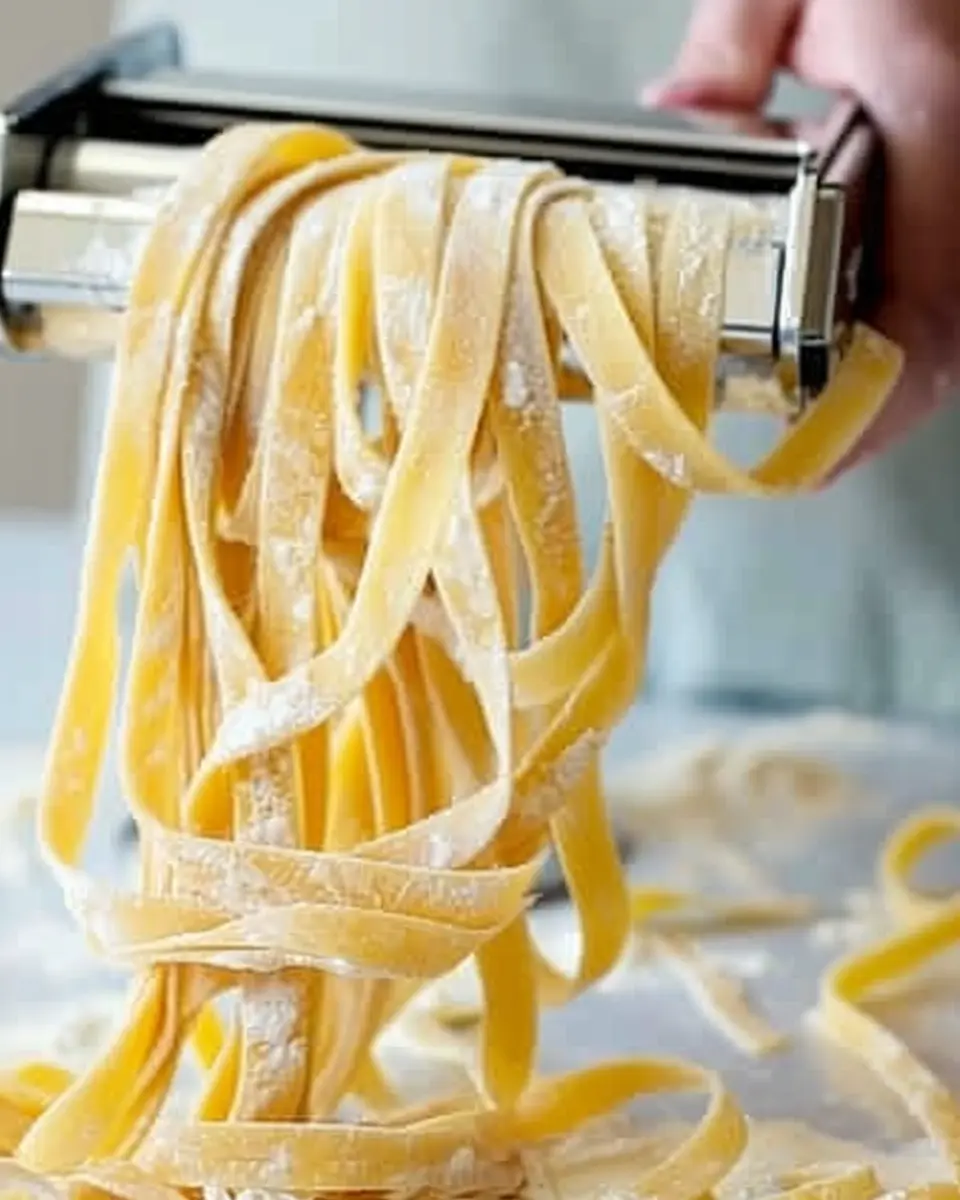
Variations on Homemade Pasta
Making homemade pasta offers a delightful opportunity to explore various flavors and ingredients, enhancing your culinary experience. Here are two standout variations that are both fun and nutritious!
Spinach-infused pasta for a pop of color
Imagine a vibrant green pasta that not only looks stunning but also packs a nutritional punch. To create this beautiful spinach-infused homemade pasta, add about 1 to 1.5 cups of fresh spinach to your pasta dough. Simply steam or sauté the spinach briefly until wilted, then blend it with your eggs (if using). This not only gives your pasta an eye-catching hue but also enriches it with vitamins A and C.
You can enjoy this colorful twist with a variety of sauces—think a simple olive oil and garlic dressing or a light cream sauce. It’s perfect for impressing friends at dinner parties or simply brightening up your weeknight meals.
For tips on how to use spinach effectively in cooking, check out resources like the American Culinary Federation.
Whole wheat pasta for a healthier option
If you’re looking to add more whole grains to your diet, consider making homemade pasta with whole wheat flour. Substituting half or all your regular flour with whole wheat flour not only enriches the pasta with fiber but also lends a nutty flavor that pairs beautifully with hearty sauces.
The process remains the same: just mix the flour with eggs and a pinch of salt, knead, and roll it out. Whole wheat pasta goes fantastically with bean-based sauces or lighter vegetable dishes.
For more health tips surrounding whole grain consumption, the Whole Grains Council has great insights.
These variations not only elevate your home cooking but also keep your meals exciting and nutritious. What are you waiting for? Grab your ingredients and have fun experimenting!
Cooking Tips and Notes for Homemade Pasta
Common mistakes to avoid when making pasta
Making homemade pasta can be a delightful experience, but a few missteps can throw a wrench in your culinary creation. Here are some common pitfalls to steer clear of:
- Wrong flour choice: Opt for “00” flour or semolina for a perfect texture. All-purpose flour can yield a denser pasta.
- Kneading too little: Don’t skimp on kneading! A good 10 minutes helps develop gluten, giving your pasta that delightful chew.
- Skipping the rest period: Letting your dough rest for at least 30 minutes helps relax the gluten, making it easier to roll out.
What to do if your dough is too dry or too sticky
Finding the right consistency is key. If your dough seems too dry, try adding a few drops of water. Conversely, if it’s too sticky, sprinkle in a bit more flour. Remember, every batch can be slightly different due to humidity and flour types, so adjust accordingly!
Making homemade pasta is all about practice and enjoying the process. For more tips on pasta-making, check out Serious Eats where you’ll find a treasure trove of advice from culinary experts. Happy cooking!
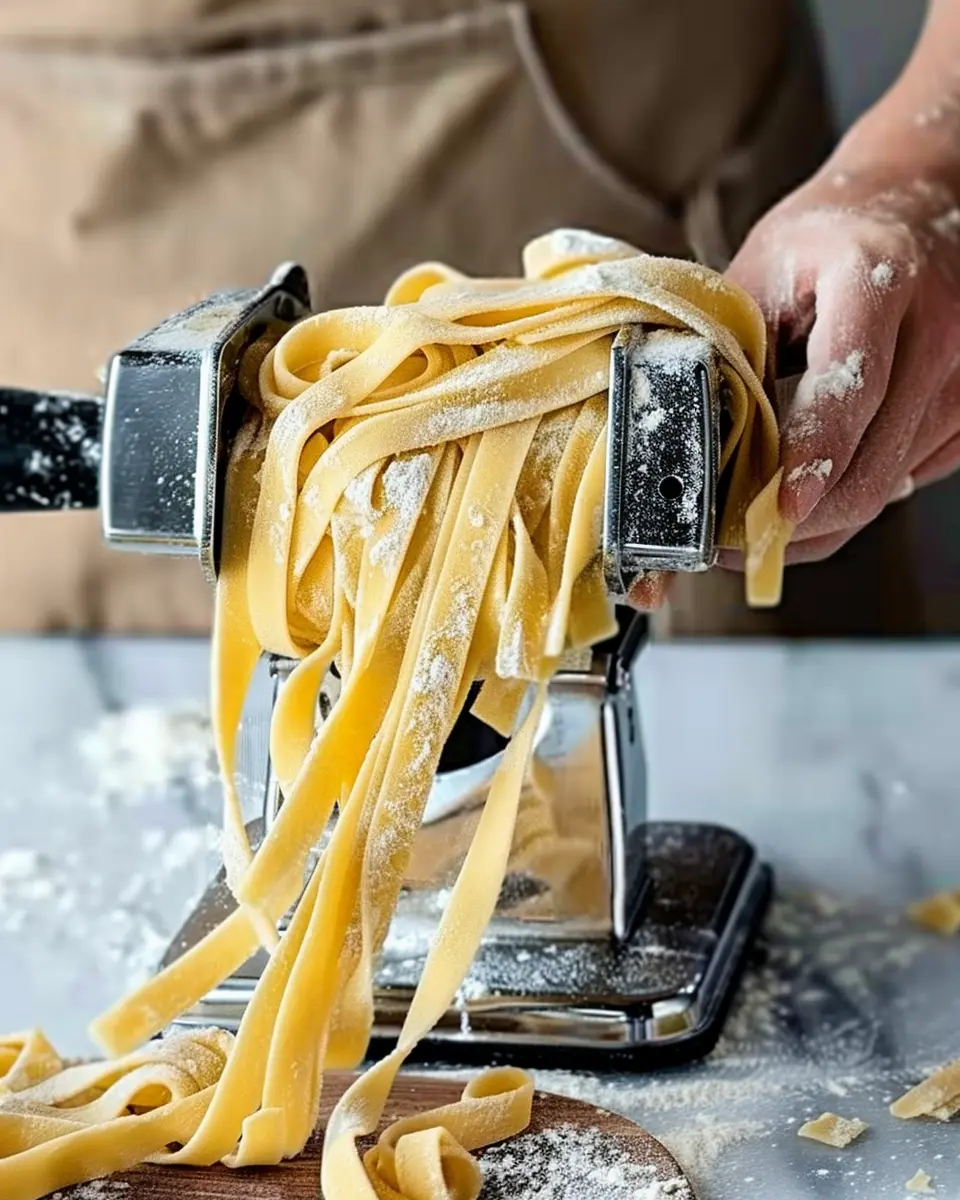
Serving Suggestions for Homemade Pasta
Simple Olive Oil and Parmesan Serving
One of the best and simplest ways to enjoy your homemade pasta is by drizzling it with high-quality olive oil and topping it with freshly grated Parmesan cheese. This minimalist approach highlights the pasta’s unique flavor and texture, making it feel incredibly satisfying. Simply toss the cooked pasta with a couple of tablespoons of olive oil, adding salt and pepper to taste. For an extra kick, consider adding crushed red pepper flakes or a sprinkle of lemon zest. Not only does this keep things fresh, but it’s also a perfect quick meal after a long day.
Pairing Pasta with Your Favorite Sauces
When it comes to sauce, the world is your oyster! For a comforting classic, you can’t go wrong with a rich marinara or a creamy Alfredo. If you’re feeling adventurous, a pesto sauce made from fresh basil can transform your homemade pasta into a delightful meal. Don’t forget to consider lighter options like an airy garlic and oil sauce with roasted vegetables for a nutritious twist!
- Explore tomato-based sauces for a hearty kick.
- Try cream sauces for something rich and indulgent.
- Consider using vegetable or meat-based sauces for a root-to-leaf experience.
Remember, pairing your dish with a refreshing salad or garlic bread can elevate your meal to an impressive dining experience. Happy cooking! For more ideas, check out This Old House for fresh salad recipes and Serious Eats for inspiration on creating delicious sauces.
Time Breakdown for Homemade Pasta
Preparation Time
Making homemade pasta is a rewarding experience that requires about 30 minutes of preparation. This time allows you to gather your ingredients—flour, eggs, and a pinch of salt. It’s also the perfect moment to get your hands dirty and start kneading that silky dough.
Cooking Time
Once your pasta is rolled and cut, cooking it is a breeze. Fresh pasta typically takes only 2-4 minutes in boiling water to reach that perfect al dente texture.
Total Time
Overall, plan for about 35-40 minutes from start to finish. In less than an hour, you’ll have dreamy, homemade pasta ready to pair with your favorite sauces, like Alfredo or a zesty marinara. For tips on sauce pairings, check out this guide from Serious Eats.
Creating homemade pasta is not just about the time—it’s also about the joy of crafting something delicious!
Nutritional Facts for Homemade Pasta
Understanding the nutritional profile of your homemade pasta can elevate your cooking experience and keep your meals balanced. Here’s a breakdown of what you can typically expect in a single serving.
Calories per serving
Homemade pasta generally contains around 190-220 calories, depending on the ingredients used. It’s a satisfying meal that allows room for creativity without compromising on taste.
Protein content
One of the benefits of making your own pasta is controlling the protein content. On average, a serving has about 7-8 grams of protein, thanks to the eggs or fortifying flours you might use. Adding toppings like chicken ham or turkey bacon can further boost this number while adding flavor.
Carbohydrates and fiber
Homemade pasta is primarily a carbohydrate-rich dish, typically offering about 40-45 grams per serving. While it’s essential to fuel your body, adding whole grains or semolina can increase the fiber content, making it around 2-4 grams. Incorporating veggies or a side salad can enhance your meal’s fiber content significantly too!
For more insights on nutrition, check out resources from the U.S. Department of Agriculture or explore local health initiatives that focus on balanced meals.
FAQs about Homemade Pasta
How long does homemade pasta last?
Homemade pasta is a delightful treat, but you want to make sure it stays fresh! Generally, fresh pasta can last in the refrigerator for about 2-3 days when stored in an airtight container. If you notice any discoloration, it’s time to toss it. But for optimal freshness, it’s always best to enjoy your pasta right after making it!
Can I freeze homemade pasta?
Absolutely! Freezing is a fantastic way to prolong the life of your homemade pasta. To freeze, you can lay the pasta in a single layer on a baking sheet for about 30-60 minutes. Once firm, transfer it to a freezer-safe bag. Properly stored, it can last for about 2-3 months! When you’re ready to cook, there’s no need to thaw; just add it directly to the boiling water and adjust your cooking time.
What are some quick sauce ideas for fresh pasta?
Pairing sauces with your homemade pasta can elevate your dish to a new level! Here are a few quick and delicious ideas:
-
Garlic Butter Sauce: Melt butter with minced garlic, stir in some parsley, and toss it with your pasta. It’s simple yet incredibly flavorful.
-
Pesto: Blend fresh basil, garlic, nuts, and olive oil for a vibrant sauce that takes no time at all. Pesto is a great way to use up leftover herbs!
-
Tomato Sauce: Simmer canned tomatoes with onions, garlic, and herbs like oregano for a classic marinara. This link offers some amazing Italian sauces for pasta.
-
Creamy Alfredo: Heat up some cream and stir in Parmesan cheese; it’s a rich treat!
Experiment with these combinations, and you’ll always have a meal that impresses! For more inspiration and techniques, check out Serious Eats or Food Network.
Conclusion on Homemade Pasta
Making homemade pasta is more than a cooking task; it’s a delightful experience that brings people together. As you roll out your dough and watch it transform into beautiful shapes, the process becomes a joyful ritual. Not only do you get to enjoy fresh, flavorful pasta that far surpasses store-bought varieties, but making it yourself also allows you to control the ingredients.
Plus, it’s a great way to unwind after a busy day. So, whether you’re preparing a cozy dinner for friends or a simple meal for yourself, remember that your homemade pasta will always taste better when filled with love (and perhaps a dash of olive oil!). For a deeper dive into pasta-making techniques, explore this comprehensive guide on Making Pasta from Scratch.
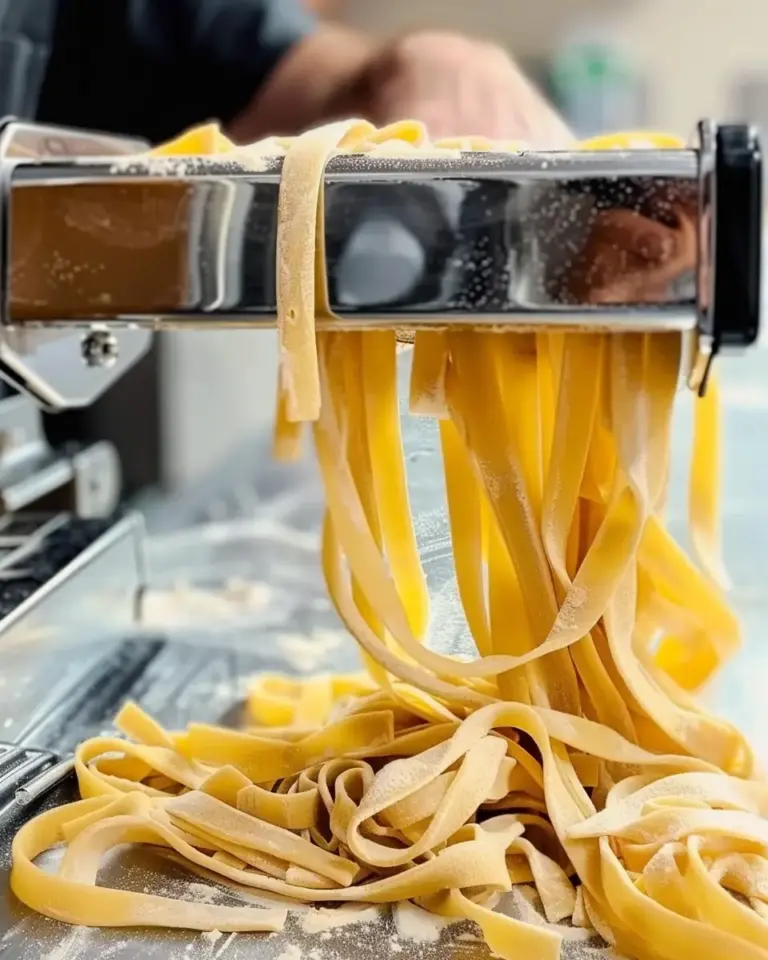
Homemade Pasta: Easy Recipes for Delicious Family Meals
Learn how to make homemade pasta with these easy recipes that the whole family will love.
- Total Time: 35 minutes
- Yield: 4 servings 1x
Ingredients
- 2 cups all-purpose flour
- 3 large eggs
- 1/2 teaspoon salt
- 1 tablespoon olive oil
Instructions
- Combine flour and salt in a large bowl.
- Make a well in the center and add eggs and olive oil.
- Gradually mix flour into the eggs until a dough forms.
- Knead the dough for about 10 minutes until smooth.
- Wrap in plastic and let it rest for 30 minutes.
- Roll out and cut the pasta to your desired shape.
Notes
- Let the dough rest to improve texture.
- Use a pasta machine for even thickness.
- Prep Time: 30 minutes
- Cook Time: 5 minutes
- Category: Main Course
- Method: Boiling
- Cuisine: Italian
- Diet: Vegetarian
Nutrition
- Serving Size: 1 plate
- Calories: 300
- Sugar: 0g
- Sodium: 200mg
- Fat: 6g
- Saturated Fat: 1g
- Unsaturated Fat: 4g
- Trans Fat: 0g
- Carbohydrates: 54g
- Fiber: 2g
- Protein: 10g
- Cholesterol: 186mg
Keywords: Homemade Pasta