Introduction to No-Knead Turkish Bread
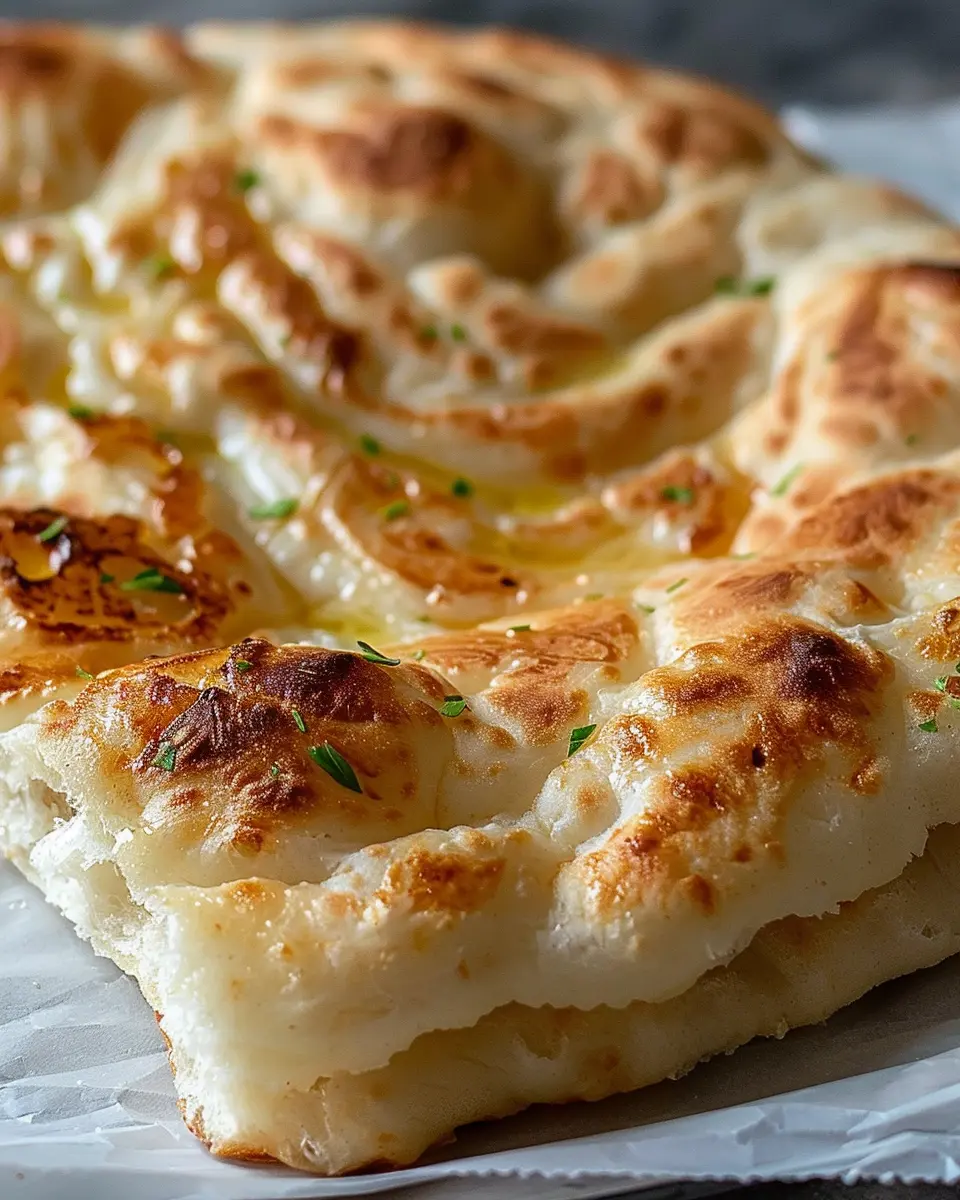
Making no-knead Turkish bread (Bazlama) at home is not just about baking; it’s an experience that brings the delightful aromas and flavors of Turkey into your kitchen. Imagine biting into a warm, fluffy, and slightly chewy flatbread that pairs perfectly with just about anything, from dips to savory stews. Here are a few reasons why you should give this simple yet satisfying recipe a try.
Why You Should Try Making No-Knead Turkish Bread at Home
-
Simplicity at Its Best: One of the magic secrets of no-knead Turkish bread is that it requires minimal hands-on effort. The dough takes care of itself with just a little mixing and resting. This means you can focus on other kitchen tasks or relax while your bread rises—how convenient is that?
-
Healthy Ingredients: The ingredients for this bread are straightforward—flour, water, yeast, and a pinch of salt. No preservatives or artificial additives here! Making your bread allows you to choose high-quality ingredients, making for a healthier option compared to store-bought varieties. For more on the benefits of whole grains, you might want to check out this nutrition guide from the Whole Grains Council.
-
Versatile Delight: Whether you’re looking to serve it with a noon snack or a hearty dinner, Bazlama complements a variety of dishes. Consider spreading your favorite dips, pairing it with Turkey bacon or chicken ham, or even styling it as a wrap for grilled vegetables.
-
Impressive Outcome: There’s something profoundly rewarding about baking your own bread. The skill seems almost magical as the dough transforms into wonderfully puffy rounds with just a few simple techniques. Sharing this fresh-baked delight with friends or family will surely earn you compliments.
-
Cultural Connection: By making this traditional Turkish bread, you not only savor a delightful taste but also connect with a rich culinary heritage appreciated among many cultures.
So, why wait? Experimenting with no-knead Turkish bread could be the start of your culinary journey, bringing a bit of Turkey right to your dining table. Let’s get to the recipe, where you’ll create your own delicious bread masterpiece!
For further reading about Turkish cuisine, you can explore this insightful article on Turkish flavors.
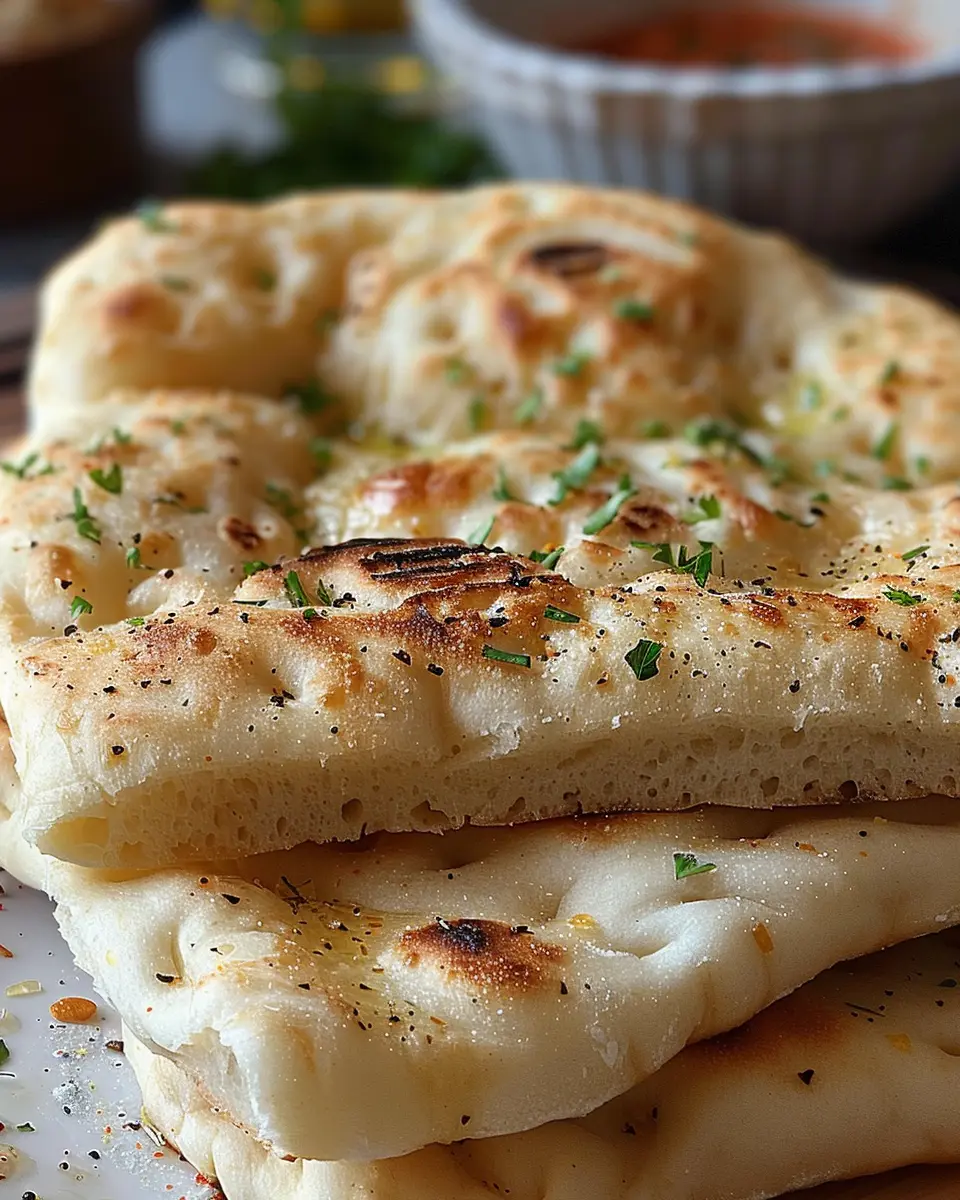
Ingredients for No-Knead Turkish Bread
Essential ingredients for the dough
Creating no-knead Turkish bread, or Bazlama, starts with a few simple ingredients that pack a flavorful punch. Here’s what you’ll need:
- All-purpose flour: The backbone of your dough, giving it structure and a delightful chewy texture.
- Warm water: Activate the yeast with warm water, ideally around 110°F (43°C). This makes for a light, airy bread.
- Instant yeast: No need for traditional yeast methods; instant yeast promises a hassle-free rise.
- Salt: A crucial ingredient for flavor—don’t skimp on this!
- Olive oil: While not mandatory, a splash can enrich the taste and help achieve a beautiful crust.
Optional toppings to enhance flavor
Want to elevate your no-knead Turkish bread experience? Consider adding:
- Sesame seeds: Sprinkle these on top before baking for added crunch and nutty flavor.
- Za’atar spice blend: A mix of herbs and spices that brings an aromatic twist.
- Fresh herbs: Chopped parsley or cilantro for a burst of freshness.
Emphasize using fresh, high-quality ingredients—you’ll taste the difference! For more inspiration on flavor combinations, check out resources like The Spruce Eats. Happy baking!
Step-by-step Preparation of No-Knead Turkish Bread
Making no-knead Turkish bread—also known as Bazlama—is a delightful and straightforward process. Whether you want a delicious side for your meals or a base for creative sandwiches, this bread will certainly impress your friends and family. Let’s walk through each step together!
Gather and prepare your ingredients
Before diving into the cooking process, gather all your ingredients to make things easier. For this recipe, you’ll need:
- 4 cups all-purpose flour
- 2 cups warm water (not scalding, about 110°F)
- 1 packet (2¼ teaspoons) active dry yeast
- 1 tablespoon sugar
- 2 teaspoons salt
- 1 tablespoon olive oil (optional for a softer texture)
Make sure all of your ingredients are fresh—especially the yeast! You want a good rise to get that airy texture. If you’re curious about various types of flour, check out this helpful guide on the different types of flour from King Arthur Baking.
Mix wet ingredients with dry ingredients
In a large mixing bowl, start by dissolving the sugar in the warm water, then sprinkle the yeast on top. Let the mixture sit for about 5-10 minutes until it becomes frothy. This means the yeast is active—success!
While you wait, in another bowl, combine the flour and salt. Once the yeast is ready, pour the yeast mixture into the flour mixture. You don’t need fancy tools here—a wooden spoon or your hands will do the trick. Mix until just combined, making sure there are no dry patches. The dough will be sticky, and that’s perfectly normal!
Knead the dough (but not really!)
Now, I know kneading might sound intimidating, but here comes the best part of making this no-knead Turkish bread: no extensive kneading is necessary! Just give the dough a few good folds in the bowl until you see a bit of gluten development—which you can achieve in just about a minute. Lustrous and bouncy dough is what we’re aiming for!
Allow the dough to proof
Cover the bowl with a clean kitchen towel or plastic wrap and place it in a warm area. Let it rise for about 1 to 2 hours, or until it has doubled in size. Pro tip: if your home is on the cooler side, you can turn your oven on low for a couple of minutes, then turn it off and place the dough inside to rise more effectively. This method provides a nice cozy environment for the yeast to work its magic!
Shape the dough into rounds
After the dough has risen, it’s time to shape it. Lightly flour your work surface, and pour the dough onto it. Gently deflate the dough and divide it into equal portions—about 8 pieces should work well. Form each portion into a ball, and then slightly flatten them into disks, about ½ inch thick. Don’t worry about being perfect; rustic is the goal here!
Cook the bread on the stovetop
Now for the fun part! Heat a non-stick skillet or griddle over medium heat. You won’t need any oil for cooking, as it can get too greasy. Place a few dough rounds into the skillet (don’t overcrowd them) and cook for about 2-3 minutes on each side, or until golden brown. You’ll see beautiful bubbles forming; that’s a sure sign of a perfect cook!
Explore some tips on making the perfect stovetop flatbreads on this culinary blog.
Finish with toppings and enjoy
Once all your rounds are cooked, feel free to brush them with a little olive oil and sprinkle some fresh herbs or sea salt. These no-knead Turkish breads are delightful as they are, but you can also serve them with your favorite spreads or alongside savory dishes like grilled chicken or turkey bacon.
And there you have it! Dig into your homemade Bazlama, and enjoy the deliciousness that results from a little time and patience. Happy baking!
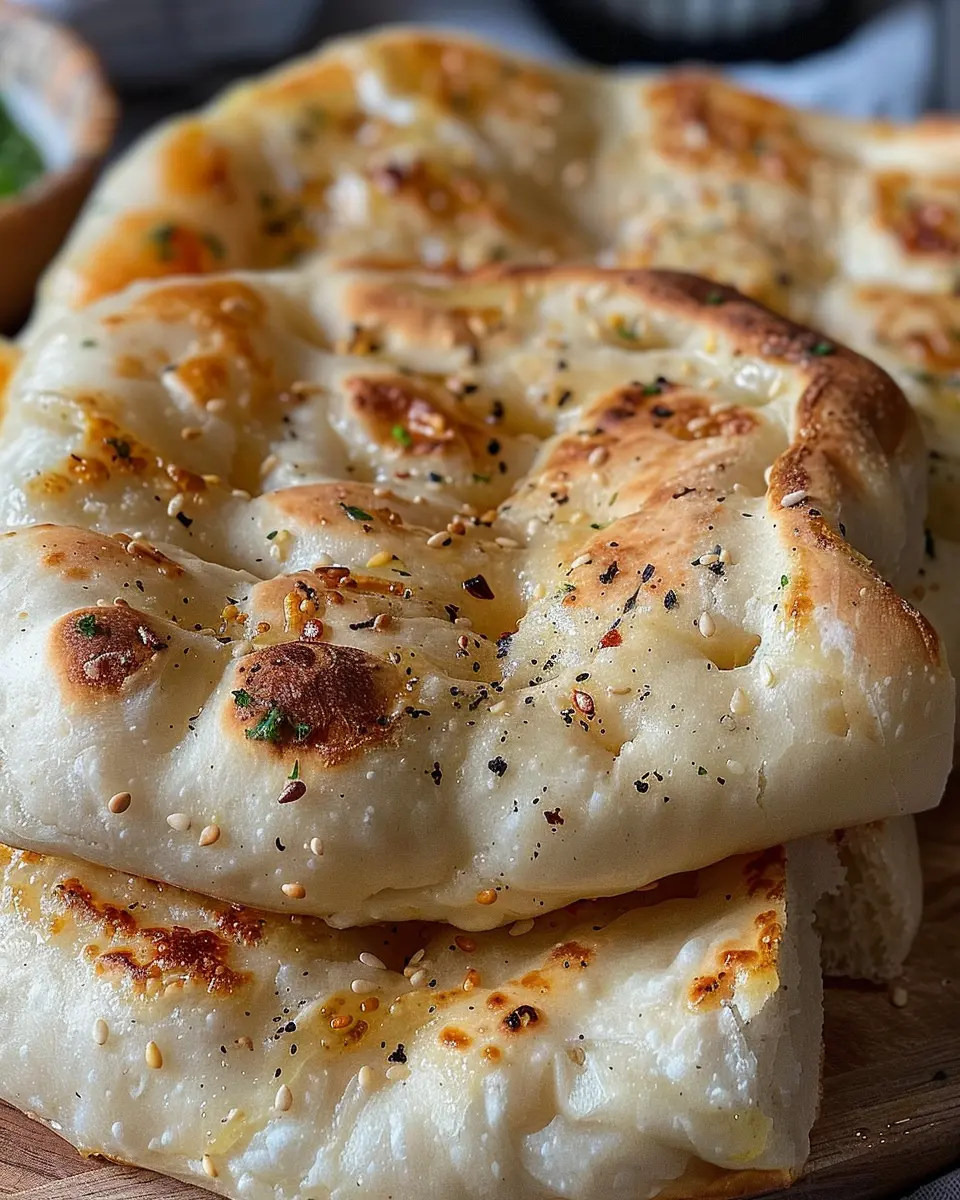
Variations of No-Knead Turkish Bread
Herbed Variations for Added Flavor
If you’re looking to elevate your no-knead Turkish bread experience, consider experimenting with different herbs. Fresh or dried herbs can significantly enhance flavor! Try incorporating:
- Rosemary: Adds an earthy, aromatic essence.
- Thyme: Gives a subtle, savory bite.
- Oregano: Infuses Mediterranean notes, perfect for a light dip in olive oil.
You can mix these herbs directly into the dough or sprinkle them on top before baking for an extra aromatic touch. Imagine tearing into warm, fluffy bread that bursts with the freshness of herbs—who can resist that?
For a deeper dive into flavorful herbs, check out the Herbs & Spice Export.
Sweet Versions for a Different Twist
Just because no-knead Turkish bread is traditionally savory doesn’t mean you can’t enjoy it with a sweet twist. Consider these delightful variations:
- Cinnamon Sugar: Mix sugar and cinnamon and sprinkle it over the bread before baking. You’ll have a sweet, aromatic treat to pair with coffee.
- Honey and Nuts: After baking, drizzle some honey and top it with crushed nuts, such as walnuts or pistachios. This will add both sweetness and crunch!
These sweet adaptations can turn your flatbread into an exciting breakfast option or a satisfying snack. It’s all about being creative in the kitchen! If you want more ideas about sweet bread recipes, check out King Arthur Baking.
By exploring these variations, you can create an array of flavors that will keep your no-knead Turkish bread fresh and exciting. Don’t hesitate to get adventurous—your taste buds will thank you!
Cooking Tips and Notes for No-Knead Turkish Bread
Common Mistakes to Avoid
Making no-knead Turkish bread can be a delightful experience, but there are a few pitfalls to watch for. First, ensure your measurements are accurate; even a minor discrepancy in flour or water can affect the dough’s hydration. Too little yeast can lead to a dense texture, while too much may cause excessive rising and collapsing.
Another common mistake is not allowing enough time for rising. A longer fermentation leads to better flavor and texture, so be patient! Lastly, make sure your cooking surface is properly heated before placing the dough, as this gives your bread that perfect crust.
Storing Tips for Leftovers
If you’re lucky enough to have leftovers of your no-knead Turkish bread, store them properly to keep them fresh. Wrap the bread in a clean kitchen towel to help absorb moisture and prevent it from getting stale. For longer storage, slice the bread, place it in a freezer bag, and store it in the freezer. When you’re ready to enjoy it again, simply toast or reheat the slices for a delightful experience.
For more details on bread storage, check out The Kitchn’s tips. Happy baking!
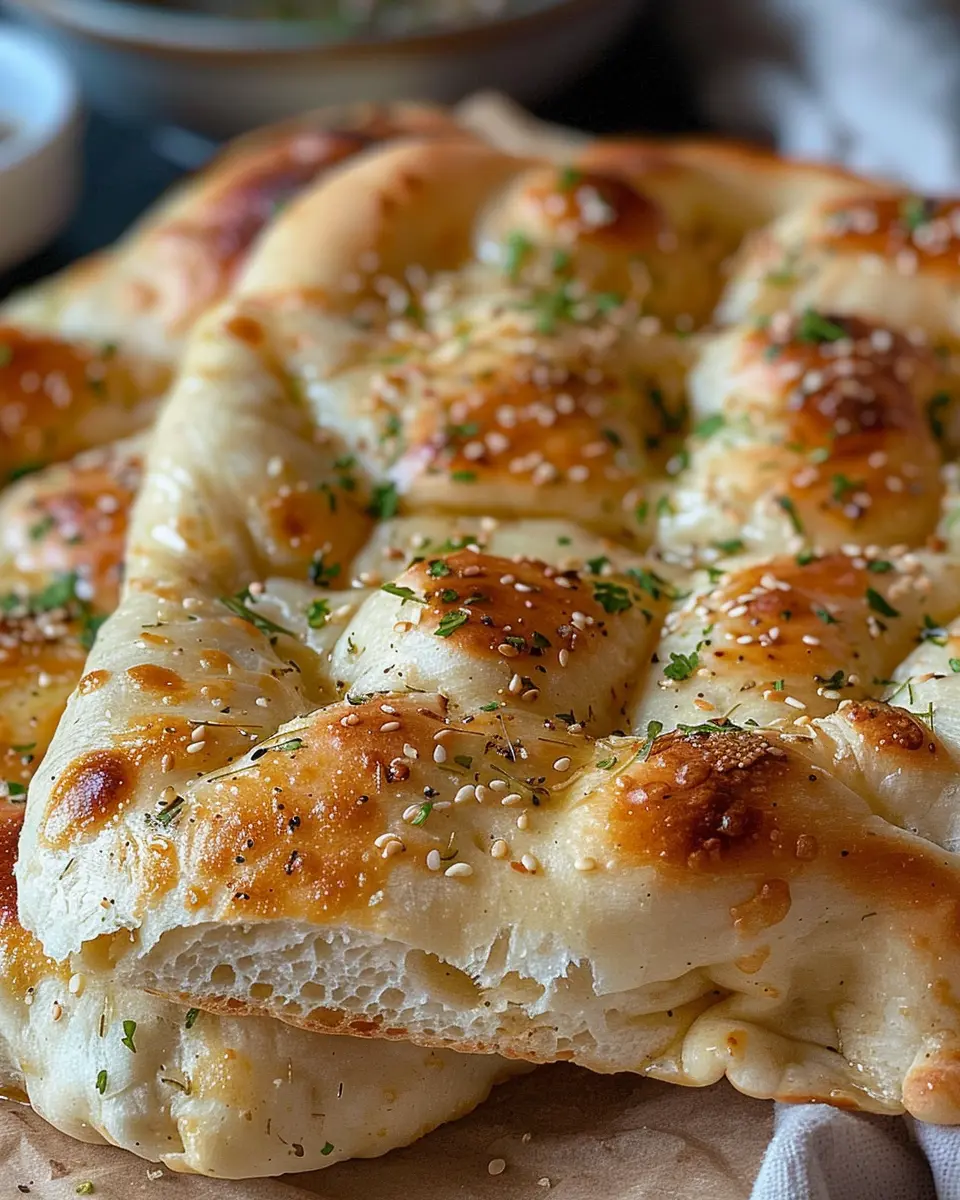
Serving Suggestions for No-Knead Turkish Bread
Best foods to pair with your Turkish bread
When it comes to serving your delectable no-knead Turkish bread, the options are truly endless. You can create a delightful meal or snack that will impress your friends and family. Consider pairing it with:
- Hummus or Baba Ganoush: A creamy dip for a satisfying taste. Both options are packed with flavors and offer a wonderful contrast to the bread’s texture.
- Grilled Vegetables: Roasted peppers, zucchini, and eggplant steal the show with a smoky essence. They’re not just tasty but also incredibly healthy.
- Turkey Bacon or Chicken Ham: These options give a savory punch, making your bread feel more substantial and hearty.
- Fresh salads: Think Mediterranean or tabbouleh for a refreshing, crunchy balance.
Creative serving ideas for parties
Hosting a gathering? Your no-knead Turkish bread can be the star of the show! Here are some fun serving ideas:
- Bread Board Extravaganza: Arrange the bread slices on a large wooden board with an array of dips, cheeses, and cured meats like turkey bacon. Let guests mingle and create their plates!
- Mini Sandwiches: Use the bread to make delightful mini sandwiches stuffed with grilled chicken, veggies, and herbs. They’re easy to pick up and devour.
- Flatbread Pizzas: Top your bread with tomato sauce, cheese, and your favorite toppings for a unique take.
Whether you’re enjoying it casually or serving it at a gathering, no-knead Turkish bread is bound to elevate your dining experience. For more inspiration, check out this link for quick meal ideas to complement your Turkish delight.
Time Breakdown for No-Knead Turkish Bread
Preparation Time
Making no-knead Turkish bread (Bazlama) starts with a straightforward prep time of about 15 minutes. It’s all about mixing your ingredients and letting them rest. You’ll mix flour, water, yeast, and salt, and then let the dough rise. Talk about easy!
Cooking Time
Once your dough has risen beautifully, it’s time to shape and cook your bread. Buckle up for about 20 minutes of cooking time. You’ll want to enjoy the mesmerizing puffing of the dough as it cooks on the stovetop!
Total Time
By the time your delightful no-knead Turkish bread is ready to savor, you’re looking at a total time of around 2 hours. This includes rising, resting, and cooking the dough. Perfect for a weekend project when you have some free time!
For more fun baking tips, check out The Kitchn or Serious Eats. They have a treasure trove of recipes that will inspire your culinary adventures!
Nutritional Facts for No-Knead Turkish Bread
Calories and Macronutrients Breakdown
This delightful no-knead Turkish bread (Bazlama) packs a nutritious punch, ideal for a variety of meals. Each serving typically contains around 150 calories, with macronutrients broken down as follows:
- Carbohydrates: 30g
- Protein: 5g
- Fat: 2g
These values may vary slightly based on the specific ingredients you use, but the overall profile remains healthy and satisfying. For more detailed nutritional insights, consider visiting resources from the USDA or NutritionData.
Health Benefits of Homemade Bread
Making your own no-knead Turkish bread not only ensures quality but also offers significant health benefits. By baking at home, you control the ingredients, avoiding unnecessary preservatives and additives.
- Fresher Ingredients: You can opt for whole grains, enhancing fiber content which is excellent for digestion.
- Customizable Recipes: Swap in favorite herbs or spices to elevate flavor without excess sodium.
- Mindful Eating: The process of making bread can be therapeutic and encourages mindful consumption.
Why not explore the joys of baking? You might discover not just a delicious recipe but a new favorite pastime!
FAQs about No-Knead Turkish Bread
Can I use whole wheat flour instead?
Absolutely! You can use whole wheat flour in your no-knead Turkish bread for a healthier twist. However, keep in mind that whole wheat flour absorbs more moisture, which might require slight adjustments to your liquid ingredients. Start with a 3:1 ratio—three parts whole wheat to one part all-purpose flour—until you find the texture and flavor you like. Want to learn more about the benefits of whole wheat? Check out sources like the Whole Grains Council.
How do I store my Turkish bread?
To keep your no-knead Turkish bread fresh, store it in a brown paper bag at room temperature for up to two days. If you need it to last longer, consider wrapping it tightly in plastic wrap and placing it in a freezer-safe bag to freeze. When ready, just reheat it in the oven, and it’ll taste freshly baked! If you’re interested in more food storage tips, FoodSafety.gov has excellent resources.
What can I do with leftover bread?
Leftover no-knead Turkish bread is a delightful problem to have! Here are some creative ideas:
- Make Croutons: Chop the bread into cubes, toss with olive oil, and bake until crispy for homemade croutons.
- Prepare a Bread Pudding: Transform stale bread into a delicious sweet or savory bread pudding.
- Serve with Dips: Use the bread as a base for dips or spreads, perfect for parties.
Making the most out of your leftover bread not only reduces waste but adds a personal touch to your meals! What’s your favorite use for leftover bread?
Conclusion on No-Knead Turkish Bread
Homemade bread offers an incomparable sense of satisfaction. Making no-knead Turkish bread, or bazlama, allows you to enjoy fluffy, warm loaves fresh from your oven without the usual time commitment. The simplicity of this method means you can create delicious bread even on a busy day, making it ideal for young professionals.
Think about how satisfying it is to bite into a piece of bread you’ve crafted yourself. You can experiment with flavors and toppings that resonate with your palate, all while knowing exactly what’s in your food. If you’re looking for ways to elevate your meals, give this easy recipe a try! Discover more about the benefits of baking bread from sources like the American Bakers Association.
Print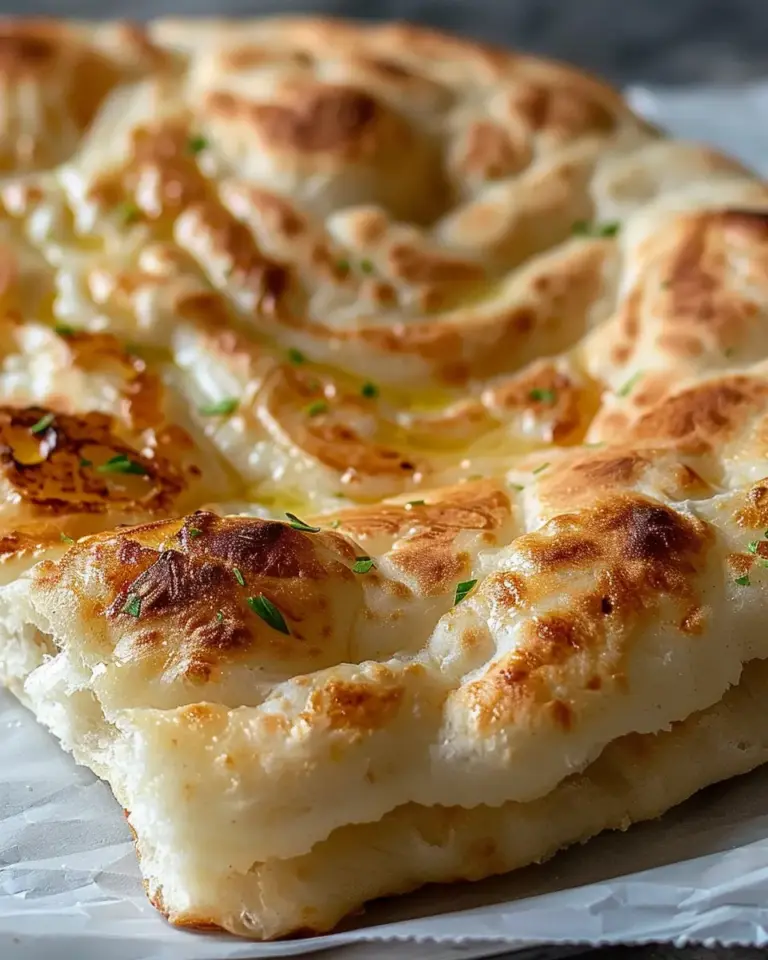
No-Knead Turkish Bread: The Easy Way to Savor Freshness at Home
Experience the delightful taste of No-Knead Turkish Bread, known as Bazlama, with an easy-to-follow recipe that allows you to enjoy fresh bread at home without the fuss of kneading.
- Total Time: 12-18 hours
- Yield: 6 servings 1x
Ingredients
- 4 cups all-purpose flour
- 1 ½ cups warm water
- 1 teaspoon active dry yeast
- 1 tablespoon sugar
- 2 teaspoons salt
Instructions
- In a large bowl, mix the flour, yeast, sugar, and salt together.
- Add warm water and stir until a dough forms.
- Cover the bowl with a damp cloth and let it rest for 12 to 18 hours at room temperature.
- After resting, shape the dough into balls and let them rise for an additional hour.
- Heat a skillet over medium heat, then flatten each dough ball and cook for about 4-5 minutes on each side until golden.
- Serve warm and enjoy!
Notes
- For a softer bread, you can adjust the water content.
- Experiment with adding herbs or spices to the dough for extra flavor.
- Prep Time: 15 minutes
- Cook Time: 10 minutes
- Category: Bread
- Method: No-Knead
- Cuisine: Turkish
- Diet: Vegetarian
Nutrition
- Serving Size: 1 piece
- Calories: 150
- Sugar: 1g
- Sodium: 200mg
- Fat: 1g
- Saturated Fat: 0g
- Unsaturated Fat: 1g
- Trans Fat: 0g
- Carbohydrates: 30g
- Fiber: 1g
- Protein: 4g
- Cholesterol: 0mg
Keywords: No-Knead Turkish Bread, Bazlama, easy bread recipe