Introduction to Gumbo
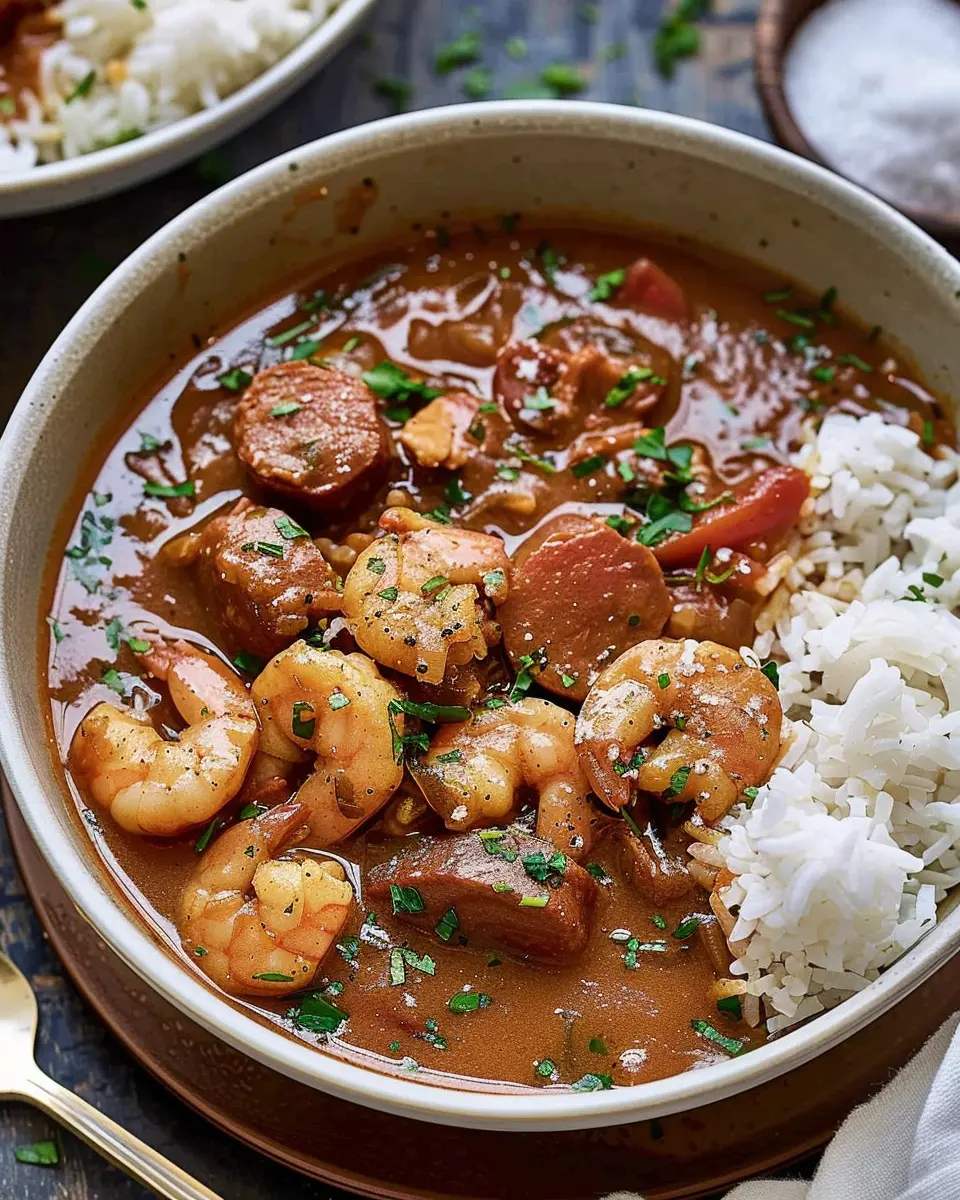
Gumbo is much more than just a dish; it’s a rich tapestry of culture, history, and flavor that originated in Louisiana. Picture this: a fragrant, steaming pot of savory broth, brimming with an array of meats, seafood, and the robust taste of the Holy Trinity—onions, bell peppers, and celery. Each bowl tells a story, making gumbo a culinary experience that’s as unforgettable as it is delicious.
What is Gumbo, and Why is it a Must-Try Dish?
At its core, gumbo is a thick stew that melts together diverse ingredients, often featuring shrimp, chicken, or andouille sausage. What sets this dish apart is its unique roux, a blend of flour and fat cooked until it reaches a deep, nutty brown color. This crucial component gives gumbo its signature depth of flavor and is a skill in itself.
The beauty of gumbo lies in its adaptability. Whether you’re a meat-lover or a vegetarian, there’s a variation for everyone. You can explore gumbo recipes that showcase exciting ingredients, like seafood and turkey bacon, or lean towards heartier versions with chicken ham and beef. This variety is part of what keeps people coming back for more!
You might wonder why gumbo has such a cherished place in our culinary hearts. Well, with its Southern roots and creole influences, it embodies a sense of community and comfort. Historically, it was a big pot dish meant for sharing, and to this day, gumbo is often enjoyed with friends and family around the table.
If you’re eager to dive deeper into the world of gumbo, various resources are available, including the Southern Foodways Alliance, which highlights the cultural significance behind this beloved dish. For a more hands-on look at how to prepare gumbo, check out cooking shows or reliable recipes on popular food blogs like Bon Appétit.
In the world of comfort food, gumbo stands out as a dish that combines simple ingredients with complex flavors. It’s a must-try that delivers a true taste of Southern hospitality!
Ingredients for Gumbo
Essential ingredients for a delicious gumbo
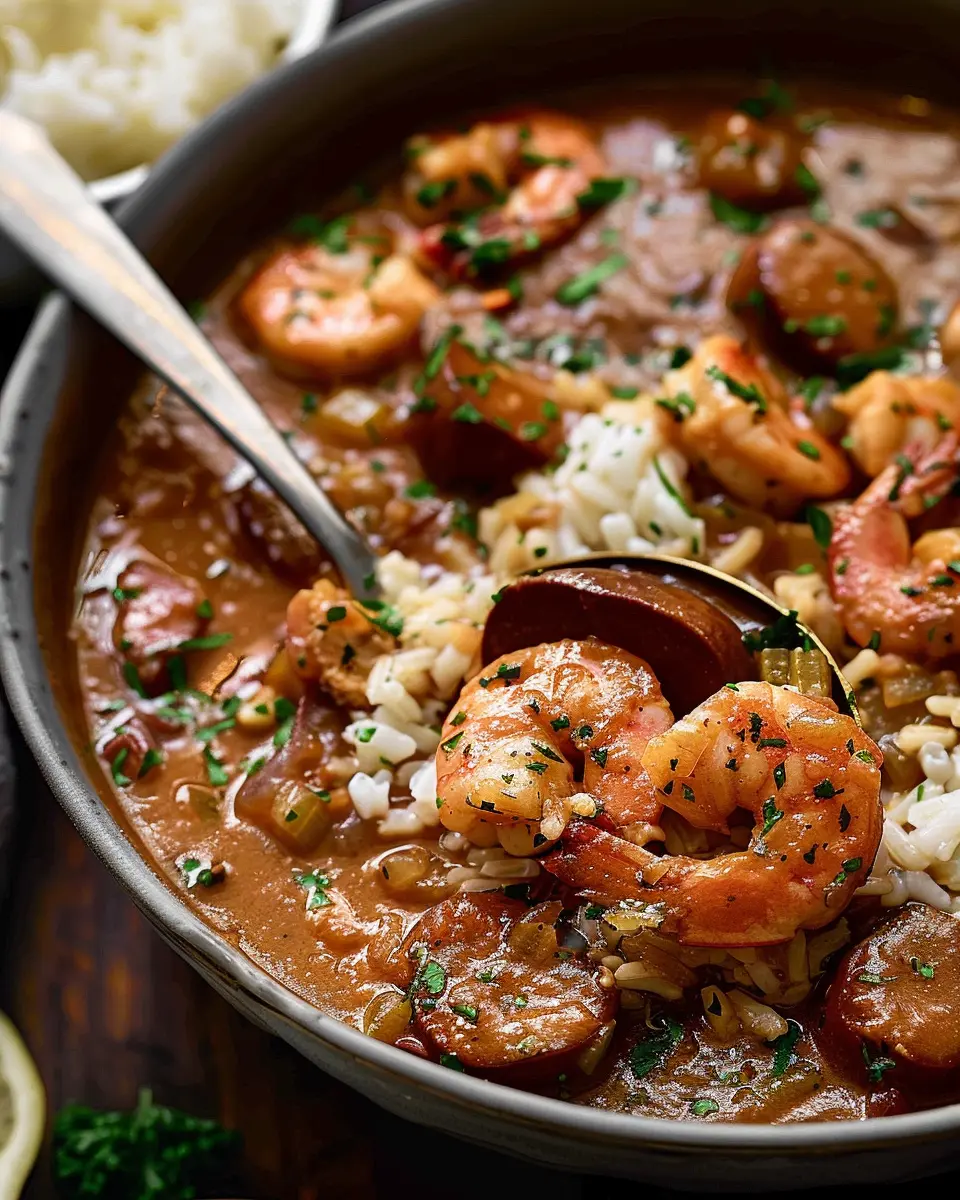
Creating an authentic gumbo recipe may seem daunting, but the right ingredients can make all the difference. You’ll want a combination of proteins, spices, and vegetables to bring this dish to life. Here’s what you need:
- Protein: Start with Turkey Bacon, Chicken Ham, and Beef. These ingredients create a rich, savory base that’s the heart of your gumbo.
- Veggies: Don’t skip the holy trinity of gumbo—bell peppers, onions, and celery. These aromatic vegetables are essential for flavor.
- Spices: A mix of cayenne pepper, thyme, and bay leaves adds complexity and that signature kick. Feel free to adjust the heat levels to your liking.
- Stock: Choose a hearty chicken or beef stock to deepen the flavor. If you have time, homemade stock is always a winner.
- Okra: This classic ingredient thickens the gumbo while adding texture—if you’re not a fan, you can substitute with filé powder.
These foundational ingredients will not only create a rich and flavorful gumbo but also set you on the path to a one-of-a-kind dish that friends and family will rave about. For more tips on sourcing fresh ingredients, check out this guide.
Step-by-step preparation of Gumbo
Making a flavorful gumbo recipe is one of those culinary adventures that fills your kitchen with mouthwatering aromas and your heart with warmth. Let’s dive into the steps that will help you create this remarkable dish, perfect for family dinners or cozy gatherings with friends.
Start with Crafting the Roux
The roux is the foundation of your gumbo, giving it depth and richness. It’s essentially a mixture of flour and fat, cooked together until it turns a deep brown color. Here’s how to get it just right:
- In a heavy-bottomed pot or Dutch oven, heat about ½ cup of vegetable oil over medium heat.
- Gradually whisk in ½ cup of all-purpose flour. This is where the magic begins! You’ll want to stir constantly to prevent burning.
- Cook the roux for about 20-30 minutes, or until it reaches a rich, chocolate-brown color. This step requires patience, but the reward is a gumbo with a complex flavor profile.
You can check out some great tips on making roux from culinary experts like Serious Eats or Bon Appétit.
Chopping the Veggie Mixture
While your roux is cooking, it’s time to prepare the holy trinity of Louisiana cooking: onion, bell pepper, and celery. This classic combo adds fresh, aromatic flavors to your gumbo.
- Dice 1 large onion.
- Chop 1 green bell pepper and 1-2 stalks of celery.
- You may also want to include some minced garlic for added aroma and taste.
Feel free to toss in a few chopped tomatoes or some okra if you like. Let’s add some color and texture to your dish!
Melding Roux and Vegetables Together
Once your roux reaches that perfect deep brown hue, it’s time to combine it with your veggie mixture. Here’s how to do it smoothly:
- Add your chopped vegetables to the roux in the pot.
- Stir them together continuously for about 5-7 minutes, until the vegetables soften and the flavors meld beautifully.
- Add a teaspoon of dried thyme, a couple of bay leaves, and a sprinkle of cayenne pepper to give it that signature kick.
Broth Time — Bring on the Flavor
Now that you’ve combined the roux and veggies, it’s essential to add liquid to bring your gumbo to life. A good broth will elevate your dish substantially:
- Gradually pour in about 6 cups of chicken or vegetable broth.
- Stir well to ensure there are no lumps from the roux.
- Bring it to a gentle simmer. It’s here that the gumbo starts to thicken and develop its iconic texture.
The Finishing Touches: Adding Shrimp and Seasoning
You’re in the home stretch! The final steps are crucial for bringing everything together harmoniously.
- Reduce the heat to low and let the gumbo simmer for 30 minutes, stirring occasionally.
- Just before you’re ready to serve, add about 1 pound of peeled and deveined shrimp. If you’re using frozen shrimp, make sure they’re thawed.
- Taste your gumbo and season with salt and pepper according to your liking. Fresh herbs, like parsley or green onions, can also be added for a bright finish.
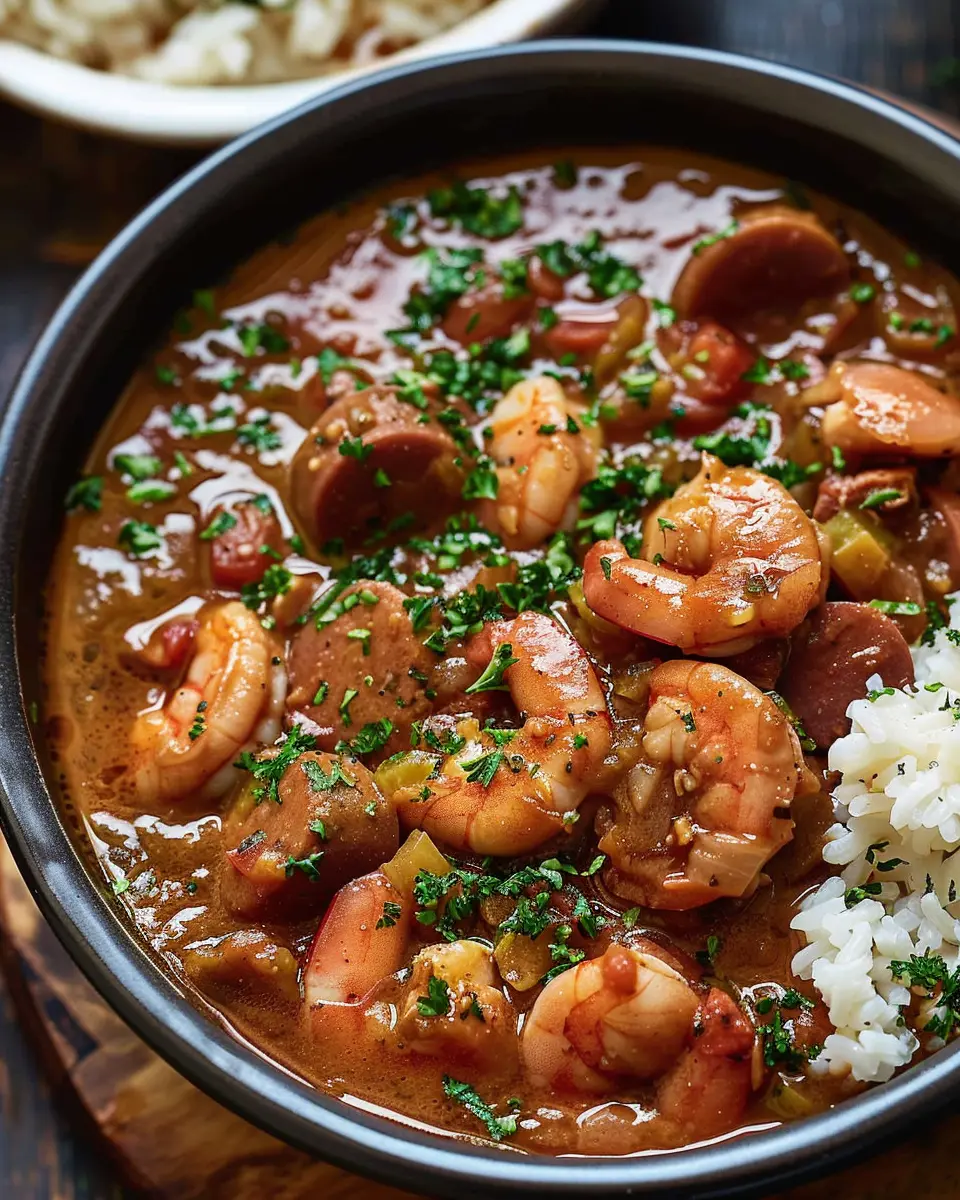
And there you have it! Your homemade gumbo, packed with flavors influenced by tradition, is ready to serve. Pair it with some fluffy rice or crusty bread for the ultimate experience. Enjoy this warm, hearty dish with friends and family, and don’t forget to share your gumbo recipe triumph on social media!
Whether you’re a seasoned cook or a novice in the kitchen, making gumbo is a worthwhile endeavor. With practice, you’ll find yourself modifying and perfecting it to your taste. Happy cooking!
Variations on Gumbo
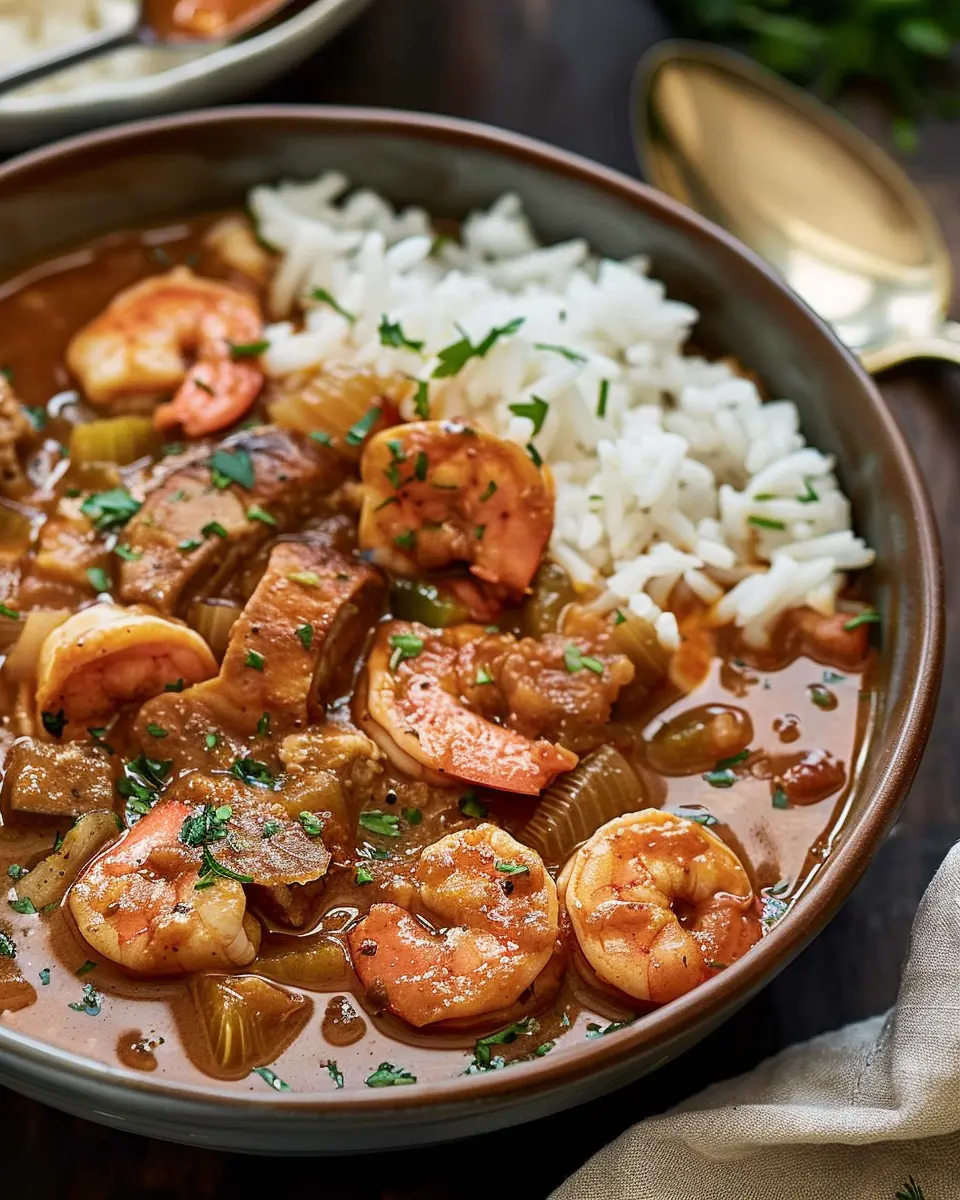
Gumbo is a versatile dish that welcomes creativity in the kitchen. Whether you’re looking for a seafood delight or a hearty chicken version, there’s a gumbo recipe out there for everyone!
Seafood Gumbo Variations
For all the seafood lovers, seafood gumbo is a game-changer. The base remains largely the same as traditional gumbo but swapping in different types of seafood sets the stage for a unique culinary experience. Here are some popular options to consider:
- Shrimp and Crab: This classic combo never disappoints. Fresh shrimp and lump crab meat bring a luxurious taste to your gumbo.
- Crawfish Delight: If you’re utilizing seasonal crawfish, they add a sweet, complex flavor profile that’s truly wonderful.
- Mixed Seafood Medley: Feeling adventurous? Combine scallops, mussels, and even squid for an exciting gumbo that will impress friends at your next dinner party.
Hearty Chicken Gumbo Options
If chicken is more your style, let’s explore variations that might pique your interest. A hearty chicken gumbo can serve as a filling meal, whether you lean towards traditional flavors or add a twist:
- Chicken and Turkey Bacon: The rich flavor of Turkey Bacon can elevate your gumbo while giving it a unique smoky touch.
- Chicken and Chicken Ham: For a savory depth, incorporating chicken ham layers delicious flavors into the dish—making it heartwarming and comforting!
Whichever gumbo recipe you choose, don’t forget to make it your own! Experimentation is part of the joy of cooking. For further inspiration, check out the Louisiana Cookin’ magazine, which is packed with regional recipes and cooking tips! Happy cooking!
Cooking tips and notes for Gumbo
Perfecting the roux
A good gumbo recipe starts with a well-crafted roux. Traditionally made with equal parts flour and fat (try using vegetable oil or butter), it’s essential to cook it slowly until it reaches a rich, dark brown color. This often takes about 20-30 minutes of constant stirring over medium heat. Remember, patience is key! A well-developed roux adds depth and complexity to your dish.
- Practice makes perfect: Don’t get discouraged if your first attempt isn’t ideal. Each batch improves your skills!
- Check out Serious Eats for tips on achieving the perfect roux.
Adjusting spice levels
Gumbo is all about balance, especially when it comes to spices. Start with a small amount of cayenne or hot sauce, and taste as you go. You can always add more, but it’s hard to tone it down if it gets too spicy!
- Experiment: If you’re unsure where to begin, try using mild seasonings and build from there.
- Research seasonings like Cajun seasoning for an authentic flavor profile. Check out The Spice House for quality blends.
Finding the perfect balance will elevate your gumbo from good to unforgettable!
Serving Suggestions for Gumbo
Best sides to pair with gumbo
Pairing your gumbo recipe with the right sides can elevate your meal to a whole new level. Consider serving it with:
- Fluffy white rice: A classic companion that balances the hearty flavors of your gumbo.
- Cornbread: Its sweet, buttery taste complements the spices beautifully.
- Coleslaw: A refreshing crunch adds a nice contrast to the rich, savory stew.
- Green salad: Light greens can balance the bold flavors, offering a burst of freshness.
By selecting these complementary sides, you create a delightful dining experience that engages all your senses.
Creative serving ideas
When it comes to presenting your gumbo, think outside the bowl! Here are some fun ideas to inspire you:
- Gumbo bar: Set up a DIY station with toppings like chopped green onions, shredded Turkey Bacon, and hot sauce, letting guests customize their bowls.
- Bread bowls: Serve your gumbo in hollowed-out bread bowls for a rustic touch that also adds to the meal.
- Layered in a parfait glass: For a fun visual twist, layer rice and gumbo in a glass. It’s a great conversation starter!
Experimenting with these ideas not only makes your meal more engaging but can also impress friends and family. For tips on creating your perfect meal ambiance, check out Epicurious’ serving ideas. Happy cooking!
Time breakdown for Gumbo
Preparation time
Getting ready for your gumbo recipe is half the fun! You’ll need about 20 minutes to chop your vegetables, dice the Turkey Bacon, and measure out your spices. Take this time to gather your ingredients for an efficient cooking experience.
Cooking time
Once everything is prepped, the cooking magic begins! Expect to spend around 1 hour and 30 minutes on the stove. This includes time for your gumbo to simmer and the flavors to meld beautifully.
Total time
In total, you’re looking at about 1 hour and 50 minutes from start to finish. While it may seem like a while, remember that this gumbo makes delicious leftovers. So, it’s well worth the time investment for all that rich flavor! For more handy tips on perfecting your gumbo, check out this resource on gumbo history and variations.
Nutritional Facts for Gumbo
When you whip up a delicious gumbo recipe, you’re not just creating a meal; you’re also packing in some impressive nutrition.
Calories
A typical serving of gumbo contains around 300 to 400 calories, depending on the ingredients you choose. This makes it a hearty option for lunch or dinner without being overly heavy.
Key Nutrients
Gumbo is rich in a variety of key nutrients, such as:
- Protein: Thanks to the chicken ham and turkey bacon, you’ll get a solid dose of protein, which is essential for muscle repair and overall health.
- Fiber: With vegetables like okra and bell peppers, gumbo provides beneficial fiber that aids digestion.
- Vitamins: It’s loaded with vitamins A and C from the veggies, which boost your immune system.
Want to dive deeper into the health benefits of ingredients like chicken ham? Check out Healthline for a comprehensive analysis. Overall, gumbo not only satisfies your hunger but also supports your nutritional needs!
FAQs about Gumbo
If you’re diving into the world of gumbo, it’s natural to have some questions! Here’s a friendly guide to help you through your gumbo recipe journey.
Can I substitute ingredients in my gumbo?
Absolutely! Gumbo is incredibly versatile. If you’re out of a specific ingredient or prefer something different, consider these common substitutions:
- Protein: Instead of shrimp, try crab or even plant-based options like tofu. Turkey bacon and chicken ham can bring unique flavors as alternatives to traditional meats.
- Vegetables: No okra? No problem! You can use green beans or even corn as a thickening agent.
- Spices: Adjust the spice levels according to your taste. Cajun seasoning can be replaced with your favorite blend or a combination of spices like paprika, cayenne, and black pepper.
How do I store leftover gumbo?
Leftover gumbo is a treasure! To keep it fresh:
- Refrigerate: Store in an airtight container for up to 3-4 days. Ensure it cools down before sealing.
- Freeze: For longer storage, freeze in individual portions. It can last up to 3 months. Just reheat on the stove for the best texture!
What’s the secret to a rich flavor in gumbo?
The magic of gumbo lies in its roux. This mixture of flour and fat (like oil or butter) cooked until it’s dark brown adds depth. Don’t rush—allow it to simmer and develop a robust flavor. Adding fresh herbs like thyme, along with a mix of proteins, can enhance that savory profile. Want more tips? Check out this culinary guide for expert insights!
With these FAQs, your gumbo adventures are just beginning. Get cooking and enjoy the warmth and richness that comes with every bowl!
Conclusion on Gumbo
Why you should make gumbo tonight!
Gumbo is more than just a dish; it’s an experience that brings warmth and joy to any table. Whether you’re hosting friends, enjoying a quiet evening, or craving comfort food, this gumbo recipe is the perfect solution. With its versatile ingredients and deep flavors, you can customize it to your liking.
Imagine the rich aroma filling your kitchen as you simmer a pot of this delightful stew. Plus, it’s a great way to use up any leftover proteins or veggies. Ready to make a splash in your kitchen? Dive into this flavorful adventure tonight!
For more inspiration, check out The Spruce Eats for additional variations and tips!
Print
Gumbo Recipe: Indulgent Turkey Bacon and Chicken Ham Delight
Discover the rich flavors of this indulgent gumbo recipe, featuring turkey bacon and chicken ham for a unique twist on a classic dish.
- Total Time: 1 hour
- Yield: 6 servings 1x
Ingredients
- 1 pound turkey bacon
- 1 pound chicken ham
- 1 cup chopped onions
- 1 cup chopped green bell peppers
- 1 cup chopped celery
- 4 cloves garlic, minced
- 1 tablespoon Cajun seasoning
- 1 can diced tomatoes
- 6 cups chicken broth
- 2 cups okra, sliced
- 3 cups cooked rice
- 2 tablespoons olive oil
Instructions
- In a large pot, heat olive oil over medium heat. Add turkey bacon and chicken ham, cooking until browned.
- Add onions, bell peppers, celery, and garlic; sauté until soft.
- Stir in Cajun seasoning and diced tomatoes, cooking for an additional 5 minutes.
- Pour in chicken broth and bring to a simmer.
- Add okra and cook for 20 minutes.
- Serve gumbo over cooked rice.
Notes
- For a spicier kick, consider adding more Cajun seasoning.
- Leftovers can be reheated on the stove for best results.
- Prep Time: 15 minutes
- Cook Time: 45 minutes
- Category: Dinner
- Method: Stovetop
- Cuisine: Creole
- Diet: Gluten-Free
Nutrition
- Serving Size: 1 cup
- Calories: 350
- Sugar: 3g
- Sodium: 800mg
- Fat: 20g
- Saturated Fat: 5g
- Unsaturated Fat: 15g
- Trans Fat: 0g
- Carbohydrates: 30g
- Fiber: 5g
- Protein: 25g
- Cholesterol: 70mg
Keywords: gumbo, turkey bacon, chicken ham, recipe